

Ever found yourself scrolling past a glittering strand of beads and thinking, “What if that colour could actually shift my mood?” You’re not alone – many jewellery makers swear by the subtle energy boost they feel when they work with fluorite.
Fluorite, with its banded rainbow of greens, purples and blues, isn’t just a pretty stone. Its metaphysical reputation stretches back to ancient Rome, where scholars believed it could sharpen the mind and cleanse the aura. Modern crystal enthusiasts echo that sentiment, saying the stone helps clear mental fog, boost concentration and even aid decision‑making.
Think about the last time you struggled to finish a design because your thoughts were scattered. Imagine placing a handful of purple/lilac fluorite beads on your workbench. Many crafters report that the gentle violet hue calms their nerves, allowing ideas to flow more freely – almost like a natural caffeine‑free pick‑me‑up.
Here’s a real‑world example: Sarah, a freelance jewellery designer from Manchester, kept a small bag of fluorite beads in her studio drawer. Whenever she hit a creative block, she would hold a bead, take three deep breaths, and visualise the stone’s “clarity” energy expanding through her. Within minutes she was sketching new pendant concepts that later became best‑sellers on Etsy.
If you’re sceptical, try a simple three‑step experiment. First, select a piece of fluorite – whether a bead, a polished point or a raw chunk. Second, hold it in your dominant hand while you set an intention, like “I want clear focus for today’s design.” Third, keep the stone nearby while you work, noticing any shifts in concentration or emotional steadiness.
Most practitioners suggest pairing fluorite with a grounding stone such as black tourmaline to balance its high‑vibrational energy. The combination can create a subtle dance: fluorite lifts the mind, while tourmaline anchors you to the present moment.
So, whether you’re a seasoned crafter or just starting out, consider adding fluorite to your toolkit. Its metaphysical properties might just be the quiet ally you need to turn a vague idea into a polished masterpiece.
TL;DR
If you crave clearer focus and a calming creative boost, the fluorite metaphysical properties can turn scattered thoughts into steady inspiration throughout your day.
Try holding a purple fluorite bead while you set an intention, and you’ll notice sharper concentration, smoother design flow, and a gentle uplift for your projects.
What Is Fluorite? Physical Characteristics and Formation
Imagine holding a raw chunk of fluorite and watching light dance across its rainbow‑coloured bands – it feels a bit like nature’s own mood‑ring. That visual magic is the first clue to what makes fluorite so special, both to geologists and to anyone who’s ever been drawn to its metaphysical reputation.
Fluorite, chemically calcium fluoride (CaF₂), forms in a cubic crystal system. Because the crystal lattice is highly symmetrical, the stone can grow in a perfect octahedral shape or in more irregular, massive forms. When impurities like trace metals slip into the lattice, they colour the stone in vivid greens, purples, blues or even colour‑shifting hues that seem to change as you turn them.
How Fluorite Forms
Most fluorite deposits are the product of hydrothermal fluids – hot, mineral‑laden water that percolates through fractures in the earth’s crust. As the fluid cools, calcium and fluoride ions combine and precipitate out, filling cavities and veins. You’ll often find fluorite alongside lead, zinc or silver ores because the same fluids carry those metals too.
One of the most famous fluorite regions is the Derbyshire Lead Mines in England, where miners historically called the stone “blue John” for its striking blue‑violet bands. In the United States, the Illinois‑Wisconsin Fluorite District yields some of the clearest, almost glass‑like specimens. Each locale leaves a subtle fingerprint – variations in banding, clarity and hardness (typically 4 on the Mohs scale).
Because fluorite is relatively soft, it weathers easily, which is why you’ll see both polished beads and raw, porous chunks on the market. The softness also means you can carve it into beads, cabochons or even small sculptures without too much hassle – a big plus for jewellery makers.
Physical Properties at a Glance
• Colour: Green, purple, blue, yellow, colour‑shifting
• Transparency: From opaque to transparent
• Luster: Vitreous to pearly
• Hardness: 4 (Mohs)
• Specific gravity: 3.0‑3.2
• Fluorescence: Some specimens glow under UV light, a trait that gave the mineral its name (from “fluorescence”).
That last point often sparks a fun conversation with clients: “Did you know fluorite can glow under black light?” It’s a perfect ice‑breaker when you’re showcasing pieces in a studio or at a craft fair.
When you’re selecting stones for a design, think about how these physical traits will affect wearability. A softer, porous bead might need a protective clear coat if you’re making a piece that will see a lot of handling.
Speaking of beads, many crafters love the purple fluorite beads for their soothing hue and easy‑to‑work‑with size. They pair beautifully with grounding stones like black tourmaline, creating a visual and energetic balance.
Now, you might be wondering: does fluorite have any connection to everyday products we use? Interestingly, the name “fluorite” shares roots with “fluoride,” the compound added to toothpaste for dental health. If you’re curious about a fluoride‑free alternative, check out STOP Oral Care’s fluoride‑free toothpaste. It’s a neat reminder of how the mineral world slips into our daily lives in unexpected ways.
Below is a quick visual guide to the formation process – from hot fluid to sparkling crystal.
Take a moment to watch the video; it shows real‑world mining footage and how raw fluorite is cut, polished, and turned into jewellery‑ready beads.
Once you’ve watched, picture a close‑up of a raw fluorite nodule – the way the bands swirl is almost hypnotic.
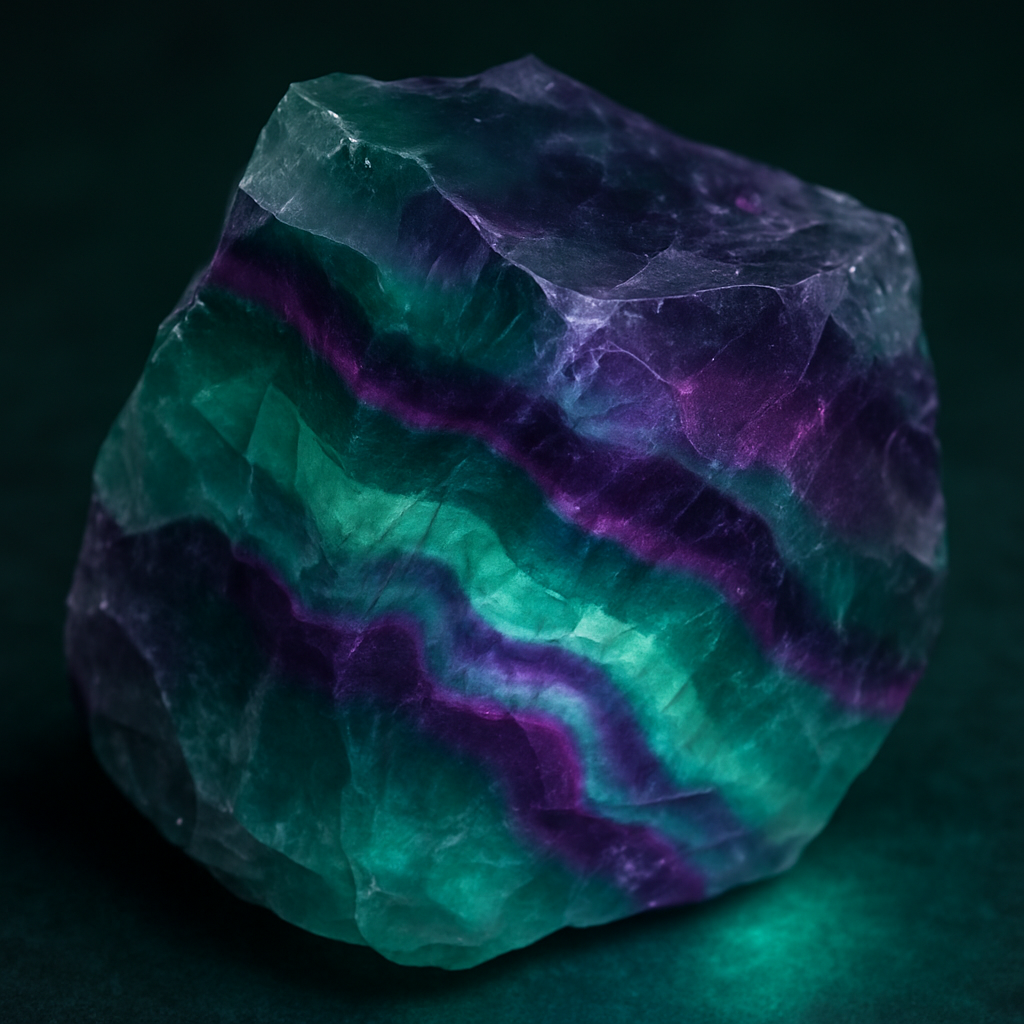
So, what does all this mean for you as a maker? First, understanding the mineral’s softness helps you choose the right setting – prong or bezel – to protect the stone. Second, the colour variations give you a built‑in palette; you can mix green and purple fluorite for a gradient effect, or pair a single hue with metal accents to let the stone shine.
Finally, remember the energetic side: many users report that holding a piece of fluorite during design work clears mental fog. Whether that’s a subtle placebo or a genuine resonance, the science of the stone’s structure certainly adds a layer of intrigue.
Next time you’re scouting raw material or browsing the bead catalogue, keep these physical traits in mind. They’ll guide you to the right piece for your next project, and maybe even spark a conversation about the fascinating link between minerals and everyday health.
Historical Lore and Cultural Significance of Fluorite
Imagine holding a piece of earth that seems to hum with quiet focus – that's the feeling many crafters get when they pick up a slab of fluorite.
It’s not just a pretty stone; it’s the most colorful mineral in the world, and its story stretches back thousands of years.
The story of fluorite stretches back thousands of years. In ancient Egypt artisans carved the soft mineral into scarabs and tiny statuettes of gods, valuing its pastel hues and easy workability – a practice documented in ancient Egyptian carvings.
Across the continent, early Chinese potters favoured green fluorite for small drinking vessels, often treating it as a modest substitute for prized jade, even though they knew the stone was toxic if ingested.
The Romans went a step further. Wealthy citizens displayed multi‑banded fluorite bowls, cups and vases in their villas, believing the rainbow layers could sharpen the mind and cleanse the aura – a belief that still echoes in today's metaphysical circles.
Later, Celtic tribes in Britain and the mysterious Mississippi Mound Builders fashioned amulets, totems and beads from the stone, embedding it in burial rites and ritual jewellery. Archaeologists have uncovered dozens of fluorite beads in Bronze Age graves, suggesting it was prized as both a decorative and protective talisman.
Even the pantheon took notice. The Hindu goddess Vac, guardian of the spoken word, and the Roman goddess Minerva, patron of wisdom, were both linked to fluorite’s ‘discernment’ energy, reinforcing the stone’s reputation as a mental‑clearing aide.
Because of these legends, modern crystal shops dub fluorite the ‘Genius Stone’ – a title first popularised by contemporary mineral dealers who observed its uncanny ability to stimulate both brain hemispheres, a quality described as the ‘Stone of Discernment’.
If you’re curious to see these ancient carvings in motion, the short video below gives a quick tour of museum pieces and explains why collectors still call fluorite the genius stone.
Beyond museums, fluorite’s cultural weight still shows up in classrooms today. Teachers place raw chunks on desks, and students often report steadier concentration – a subtle nod to the stone’s historic role as a focus enhancer.
That same focus‑boosting vibe is what we refer to when we talk about fluorite metaphysical properties. Practitioners claim the crystal absorbs negative EMF, balances the heart chakra and clears mental fog, making it a favourite for designers who need a clear visual palette.
If you want to weave a bit of that heritage into your own jewellery line, consider pairing a handful of purple‑lilac beads with a silver setting – the colour evokes the Roman luxury, while the stone’s softness reminds you of the Egyptian scarabs. You can even keep a small raw piece on your workbench as a living reminder of centuries of creative energy.
Quick tip: before each design session, hold the fluorite in your dominant hand, set an intention like “clarity for today’s sketch”, and let the stone’s gentle vibration settle any scattered thoughts. Over time you may notice the same steadiness that ancient artisans trusted.
Fluorite deposits today still echo those ancient trade routes. England’s famed Blue John, France’s bright blues and pinks, and China’s recent crystal farms each carry a regional story, and many makers now seek ethically sourced stones to honour the same reverence their ancestors showed.
In contemporary design, fluorite’s fluorescence has inspired UV‑light installations, while its colour bands are used in meditation rooms to promote balance – a modern twist on the stone’s age‑old role as a bridge between the physical and the subtle.
So whether you’re admiring a museum artefact, slipping a bead onto a necklace, or simply holding a raw chunk while you sketch, you’re tapping into a lineage that stretches from Egyptian tombs to today’s studio tables. That continuity is what makes fluorite more than a pretty rock – it’s a living piece of cultural memory.
Fluorite Metaphysical Properties: Energy, Healing and Chakra Alignment
Ever notice how a single bead can feel like a tiny compass for your thoughts? That’s the magic of fluorite’s metaphysical side – a gentle, colour‑shifting guide that helps you untangle mental fog and settle into a clearer state.
First off, fluorite isn’t just a pretty stone. It’s often called the “Genius Stone” because many users swear it cuts through confusion like a hot knife through butter. When you hold a piece, you might feel a subtle lift in mood, as if the stone is whispering, “let’s sort this out together.”
Energy flow and aura cleansing
The stone is reputed to absorb negative EMF and disperse stagnant energy. In practice, crafters report that keeping a raw chunk on their workbench leaves the air feeling lighter – a sort of silent, supportive hum that nudges the mind toward focus.
One way to test this is to place a fluorite sphere on the corner of your studio and notice whether scattered thoughts start to settle after a few minutes. It’s not a miracle cure, but a gentle nudge that many find useful.
Chakra alignment by colour
Fluorite comes in a rainbow of hues, and each shade is said to resonate with a different chakra. Clear fluorite works with the crown, helping you feel open‑minded and connected to higher ideas. Blue fluorite, meanwhile, vibes with the throat, encouraging clear speech and confident expression.
Green fluorite is the heart‑chakra ally – it can soften emotional tension and support self‑love. Purple or lilac tones are linked to the third‑eye, making them popular for meditation or visualisation work. If you’re after a solar‑plexus boost, yellow fluorite is the go‑to for confidence and decision‑making.
Want a quick test? Hold the colour that matches the chakra you want to nurture, set a simple intention (“I speak my truth”), and breathe deeply for thirty seconds. Many find the colour’s vibration amplifies the intention.
Healing vibes beyond the mind
Beyond mental clarity, fluorite is credited with physical benefits – from easing joint discomfort to supporting the immune system. The tiny crystal lattice is thought to stimulate cell regeneration, especially in skin and respiratory tissue, according to a description on a crystal‑healing site.Fluorite healing jewellery often highlights these properties.
That said, you don’t need to swallow a pill of crystal; simply having it nearby while you work can create a subtle field that encourages the body to stay balanced.
Practical ways to weave fluorite into your craft
Here are three low‑effort ideas you can drop into your next design session:
- Slip a strand of purple/lilac fluorite beads into a necklace you’re prototyping – the colour will remind you to stay calm while you sketch.
- Place a polished green fluorite point on the edge of your sketchbook; each time you turn a page, the stone’s energy can help you stay open to new ideas.
- Wrap a small blue fluorite pendant around your wrist during client calls; many find it steadies the voice and clarifies communication.
Notice how the stone’s presence feels – does your breathing become steadier? Does your mind feel less cluttered? Those tiny shifts are the hallmark of fluorite’s subtle power.
And if you’re curious about the science behind the claims, a crystal‑focused blog explains that fluorite’s colour‑specific energies align with particular chakras, reinforcing the tradition of using it for targeted healing.Tiny Rituals’ guide to fluorite meanings breaks down each hue’s intent in plain language.
Bottom line: fluorite’s metaphysical properties are less about flashy miracles and more about creating a supportive backdrop for your creative flow. Whether you’re sketching a new pendant, setting beads for a bracelet, or simply need a moment of mental clarity, the stone can act as a quiet partner – steady, colourful, and always ready to help you find your focus.
So, what will you do with a piece of fluorite today? Maybe hold it, set an intention, and watch your ideas line up a little more clearly.
Fluorite in Reiki and Crystal Healing Practices
Ever wonder why a Reiki practitioner might slip a little violet stone into their hands before a session? That’s fluorite, and its metaphysical properties make it a quiet but potent ally for anyone working with subtle energy.
First, picture the stone’s colour‑shifting bands as a visual reminder of balance – green for heart, blue for throat, purple for third‑eye. When you hold it, the vibrations are said to smooth out chaotic chakra flow, creating a gentle bridge between the physical and the energetic.
Reiki session integration
In a typical Reiki treatment, the practitioner starts with a grounding stone like black tourmaline. Adding a piece of fluorite on the opposite side can help channel clearer intention. Many practitioners report that the stone’s “clarity” vibe supports the flow of universal life force, especially when they’re working on mental‑clearance attunements.
Try this simple routine: after you perform your usual hand‑positioning, place a small fluorite pendant on your sternum for a few breaths. Feel the pulse of the stone syncing with your own energy field – you might notice your thoughts becoming less noisy, like a radio turning from static to a single station.
Does it feel a bit odd at first? That’s normal. The mind is used to a certain level of background chatter; fluorite gently nudges it toward stillness without forcing silence.
Crystal healing grids
When you build a crystal grid, fluorite can act as a “focus node”. Position it at the centre or at a key point opposite a grounding stone, and let its bands guide the grid’s geometry. The idea is that fluorite’s energy amplifies the intention you program into the grid – whether it’s improved concentration for a design sprint or emotional balance during a busy sales period.
One practical tip for jewellery makers: lay out a small grid on your workbench using a few raw fluorite chunks, a piece of clear quartz, and a bit of smoky quartz. As you string beads, keep the grid in sight. You’ll often find the rhythm of your hands syncing with the stone’s subtle hum, and you might finish a piece faster than you expected.
And if you’re wondering whether you need a fancy layout, the answer is no. Even a simple line of three fluorite beads across a sketchbook edge can act as a miniature grid, gently encouraging focus each time you turn a page.
Everyday healing practices
Outside of formal sessions, fluorite is great for quick, on‑the‑go energy checks. Slip a purple/lilac fluorite bead into your studio tote – you’ll have it handy when a client call goes sideways or when you feel the creative fog settling in.
Hold the bead, set a tiny intention like “clear communication”, and breathe three deep breaths. Many crafters swear that the stone’s throat‑chakra resonance steadies their voice, making it easier to explain design concepts without stumbling.
Another low‑effort habit: keep a polished green fluorite point on the edge of your laptop. When you’re drafting a new collection, the point’s heart‑chakra energy can soften any frustration that pops up, turning irritation into a calm, problem‑solving mindset.
Do you ever feel a subtle shift and wonder if it’s just imagination? Trust the sensation – fluorite’s metaphysical properties are subtle by design. They’re not about dramatic miracles, but about providing a supportive backdrop that lets your own intuition shine brighter.
So, how do you weave fluorite into your own practice? Pick a shape that feels right – a bead, a pendant, a raw chunk – and give it a purpose. Use it in Reiki, in a crystal grid, or as a pocket‑size reminder during a busy day. Over time, you’ll start to notice the stone’s quiet partnership: steadier breath, clearer thoughts, and a gentle lift that feels just right for creative work.
Comparing Fluorite Varieties: Colour, Vibration and Uses
When you first hold a piece of fluorite, the colour that greets you can feel like an instant mood‑shift. One moment you’re staring at a deep violet, the next you’re mesmerised by a band of green‑purple that seems to ripple as you turn the stone. That visual dance is the first clue to the stone’s different vibrations and the ways each hue can support your creative practice.
So, why does a purple bead feel more calming than a bright green chunk? It boils down to two things: the trace impurities that give the stone its colour, and the traditional chakra correspondences that have been attached to those colours for centuries. In short, the mineral’s chemistry writes a subtle energy‑profile that many crafters swear aligns with specific mental states.
Colour families and their typical vibrations
Here’s a quick rundown of the most common fluorite shades you’ll find in a bead bag, and the metaphysical vibes they’re said to carry. Think of it as a cheat‑sheet you can refer to when you’re deciding which stone to place on your design table.
| Variety | Typical Colour | Vibration / Chakra | Popular Use in Jewellery |
|---|---|---|---|
| Purple/Lilac Fluorite | Soft violet to deep purple | Third‑eye (intuition) and throat (clear communication) | Beaded necklaces that aid speaking confidence during client calls |
| Green Fluorite | Leaf‑green, sometimes with yellow hints | Heart chakra (emotional balance) and solar‑plexus (decision‑making) | Polished points on a sketchbook edge to soothe frustration |
| Blue Fluorite | Sky‑blue to deep indigo | Throat chakra (expressive clarity) and lower crown (mental focus) | Raw chunks on a workbench to steady the voice in presentations |
Notice how each colour lines up with a different chakra? That’s not random – it mirrors the way the stone’s trace minerals absorb and emit light, which many practitioners interpret as a frequency that resonates with the body’s energy centres.
And what about those rainbow‑banded beads that look like a miniature aurora? They’re essentially a mash‑up of several colours in one crystal, meaning they can offer a blended vibration. Some designers love them for “all‑round support” – a little boost to focus, a hint of emotional calm, and a dash of inspiration all at once.
If you’re wondering which variety to pick for a specific project, here’s a tiny experiment you can try. Grab a bead of each colour you own, hold it in your dominant hand, set a simple intention (e.g., “clear thinking for this sketch”), and notice which stone feels the most in‑tune after a minute of breathing. The one that seems to ‘click’ is likely the best match for the task at hand.
For many crafters, the choice isn’t just about vibe – it’s also about aesthetics. A strand of purple/lilac fluorite beads adds a regal touch to a statement necklace, while a cluster of green fluorite points can become a focal piece on a studio shelf, catching the eye and, according to The Crystal Company, supporting mental clarity.
Does the idea of “vibration” sound a bit mystical? Maybe it does, but think of it as a metaphor for how colour influences mood. Just as a blue wall can feel calming, a blue fluorite point can create a subtle ambience that nudges you toward concentration without any overt effort.
Practical tip: when you’re arranging a crystal grid for a design sprint, place a blue fluorite stone opposite a grounding black tourmaline chip. The fluorite’s high‑vibration helps lift your thoughts, while the tourmaline keeps you anchored – a little yin‑yang for your workspace.
Lastly, remember that fluorite is relatively soft (around 4 on the Mohs scale). Treat beads and points with gentle care, and avoid exposing them to harsh chemicals. A quick rinse with lukewarm water and a soft cloth will keep them sparkling and energetically clear.
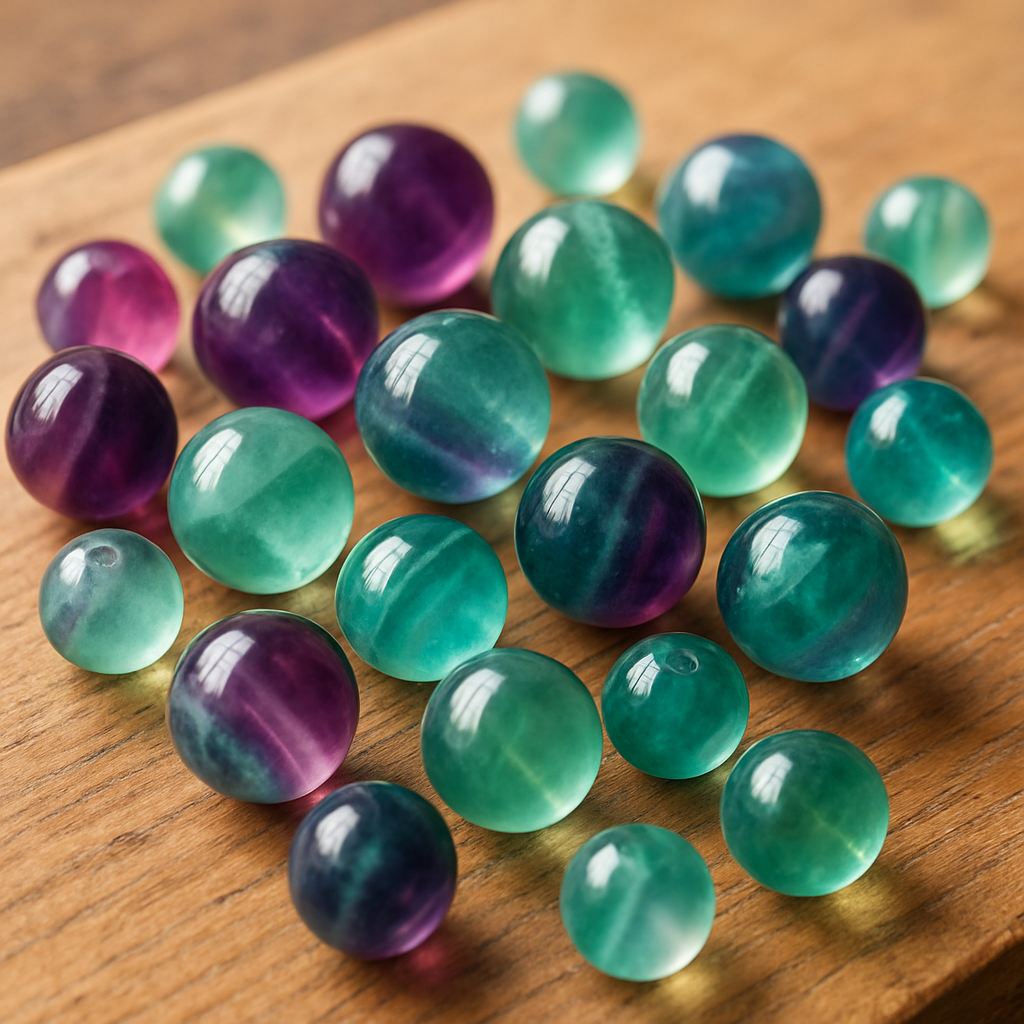
Bottom line: the colour you choose isn’t just a design decision; it’s a tiny energetic cue you can harness. By matching the hue to the intention of your project, you give yourself a subtle, yet measurable, edge in the studio.
Conclusion
We've walked through how the colour, history and energy of fluorite can quietly lift a jewellery maker's workflow.
So, what does that mean for you right now? It means you can pick a single bead – perhaps a violet piece for intuition or a blue point for focus – and treat it as a tiny, wearable reminder of the intention you set this morning.
Because the fluorite metaphysical properties are subtle, you don't need a whole crystal altar. A quick three‑step habit works just as well: choose your colour, hold it while you breathe, then place it where you work. You’ll notice the mind‑fog thinning, the hand‑steadying, and the creative flow feeling a touch smoother.
And remember, fluorite is soft, so a gentle rinse with lukewarm water keeps it sparkling without stripping its vibe.
Ready to give your studio a quiet boost? Grab a strand of fluorite beads from your stash, set a clear intention, and watch the little shifts add up. The next time a design block appears, you’ll have a colour‑coded ally at hand.
In short, the fluorite metaphysical properties aren’t a magic wand, but a practical, affordable tool you can weave into every sketch, prototype and client call. Give it a try and see how a bit of crystal chemistry can brighten both your pieces and your mind.
FAQ
What are the fluorite metaphysical properties?
Fluorite is famed for its gentle, clearing vibe. Practitioners say it helps dissolve mental fog, sharpen concentration and bring a calm, focused state of mind. The stone is also linked to the heart and third‑eye chakras, so it can support emotional balance while you visualise ideas. In short, its metaphysical properties act like a quiet coach, nudging scattered thoughts into a smoother flow.
How can I use fluorite to improve focus while designing jewellery?
Start by choosing a piece that feels right – a bead, point or raw chunk. Hold it in your dominant hand, set a simple intention such as “clear focus for today’s sketches”, and breathe deeply three times. Then place the stone on your workbench or drape a strand over your sketchbook. Many makers notice their hand steadies and ideas surface more readily within minutes.
Which colour of fluorite is best for calming anxiety during a creative block?
Purple or lilac fluorite is the go‑to for soothing nerves. Its soft violet hue resonates with the third‑eye and throat chakras, helping you feel more centred and confident when ideas stall. Green fluorite works well too, especially if you need a blend of emotional balance and decision‑making power. Try holding each colour for a minute and notice which one gives you the most gentle lift.
Can I combine fluorite with other stones for better energy?
Absolutely – pairing fluorite with a grounding stone like black tourmaline creates a balanced field. The tourmaline anchors the high‑vibration of fluorite, preventing the energy from feeling too airy. You can also blend it with rose quartz for added heart‑chakra love or clear quartz to amplify its clarity. Arrange them in a simple line on your desk or layer them in a pocket‑sized pouch for everyday use.
How often should I cleanse my fluorite to keep its metaphysical properties active?
Because fluorite is soft, a gentle cleanse works best. Rinse it under lukewarm water and pat dry with a soft cloth once a week, or place it on a moonlit windowsill for a few hours. You can also use a light smudging with sage if you prefer a ritual feel. Regular cleansing removes absorbed EMF and keeps the stone’s subtle energy bright and responsive.
Is it safe to wear fluorite jewellery daily, and does it affect the stone's energy?
Wearing fluorite daily is fine as long as you avoid harsh chemicals and extreme heat – its 4‑on‑the‑Mohs hardness means it can scratch easily. Daily contact actually helps you stay in touch with its calming frequency, especially during long design sessions or client calls. Just give it a quick rinse now and then, and you’ll keep both its look and its metaphysical boost intact.
What simple ritual can I do with fluorite before a client meeting?
Hold a small fluorite bead in your palm, close your eyes and inhale slowly three times. As you exhale, silently repeat, “I speak with clarity and confidence.” Place the bead on the edge of your notebook or slide it onto a chain around your wrist. The colour’s vibration will remind you to stay calm, articulate your ideas, and keep the conversation on track.
