

Ever caught yourself staring at a sleek, metallic bracelet and wondering why it feels so grounding, almost like a silent hug from the earth?
That little tug is the essence of the hematite bracelet meaning – a blend of ancient folklore and modern energy work that promises focus, calm, and a subtle boost of confidence.
Historically, warriors in the Roman legions slipped hematite into their armour, believing the stone could deflect stray blows and keep minds sharp. Fast‑forward to today, designers stitch the same stone into cuffs, bracelets, and even charm‑laden bangles, because the stone’s heavy, reflective surface still signals strength and stability.
So, how does that translate for you, the jewellery maker or hobbyist? First, think about the vibe you want your piece to carry. If you’re crafting a meditation‑friend bracelet for a yoga studio, pair a row of smooth, polished beads with a stretch cord that lets the wearer slip it on without fuss. If you’re after a bold statement for a summer market stall, stack larger, matte‑finished beads and add a brass clasp for that extra edge.
Here’s a quick three‑step workflow you can try right now:
- Choose your bead size – 4‑6 mm works well for everyday wear; 8 mm makes a dramatic focal point.
- Decide on a finish – glossy for a sleek look, matte for a more earthy feel.
- String on elastic or waxed cord, then tie a secure knot and trim.
When you’re ready to source authentic stones, our Hematite bead collection offers a range of finishes, from bright silver to deep gunmetal, all ethically mined and ready to ship across the UK.
Real‑world example: Emma, a freelance jewellery designer in Manchester, blended 6 mm silver hematite beads with tiny copper charms. She reported that customers frequently mentioned feeling “more centred” when wearing the piece during work meetings – a testament to the stone’s reputed grounding properties.
Another story comes from a community craft group in Cornwall. They created matching bracelets for a local mindfulness workshop, each featuring a single gold‑tinged hematite bead as the centrepiece. Participants said the bracelets reminded them to “stay present” throughout the breathing exercises.
Want to test the energy yourself? Wear the bracelet for a week, note any shifts in focus or stress levels, then tweak the design – perhaps add a touch of rose quartz for love or black onyx for protection.
And if you ever need a creative break, consider the simple pleasure of pairing your hematite work with something entirely different, like a handcrafted wooden toy from Poppa's Wooden Creations. The contrast of smooth wood and cool metal can spark fresh ideas for colour palettes and textures.
Bottom line: a hematite bracelet isn’t just an accessory; it’s a portable reminder to stay grounded, focused, and confident. Grab a few beads, follow the steps, and watch how the meaning you intend becomes a tangible part of everyday life.
TL;DR
A hematite bracelet grounds you, steadies focus and boosts confidence, turning a simple accessory into a daily reminder of calm and clarity.
Try the quick three‑step workflow—choose bead size, pick a finish, and string on elastic—then customise with copper charms or rose quartz for extra intention to suit your personal energy.
History and Lore of Hematite Bracelets
When you first slip a hematite bracelet onto your wrist, you might feel a subtle pull – like the stone is whispering stories from centuries past. Those whispers aren't just poetic; they're rooted in a rich tapestry of myth, warfare, and spiritual practice.
In ancient Greece, warriors believed that polished hematite could deflect the glare of the sun, protecting their eyes and keeping their focus razor‑sharp on the battlefield. The Romans took it a step further, embedding small hematite shards into their armour as talismans against injury and as symbols of steadfast resolve.
From the Far East to the New World
Cross‑cultural lore tells us that early Chinese alchemists prized hematite for its grounding energy, using it in meditation circles to anchor the mind. Meanwhile, Native American tribes in the Great Plains regarded the metal‑like stone as a conduit to the earth, often crafting simple bracelets for hunters to stay centred during long journeys.
Fast‑forward to the Victorian era, when spiritualists began pairing hematite with copper charms, believing the combo could balance masculine and feminine energies. That tradition lives on today – you’ll see modern makers mixing silver‑toned hematite beads with copper or brass accents to echo that historic duality.
So, why does all this matter for your own designs? Understanding the lineage helps you choose finishes that resonate with the stone’s story. A high‑gloss polish mimics the mirror‑like shields of Roman legionaries, while a matte, earthy finish nods to the tribal drums of the Plains.
Looking for the perfect beads to embody this history? Check out our Grey Hematite Natural Gemstone Drum Beads 6mm – their subtle texture feels like a nod to ancient drum skins used in ceremonial rituals.
And if you ever feel the creative spark waning, a little tactile contrast can reignite it. I once paired a batch of fresh hematite bracelets with a hand‑carved wooden toy from Poppa's Wooden Creations, letting the warm grain balance the cool metal. The result? A surprisingly harmonious mood board that reminded me why craft is as much about feeling as it is about form.
Notice how the video demonstrates the ancient polishing technique – a simple burnishing stone can turn raw hematite into a mirror‑smooth bead that catches light just like the shields of old.
When you design your own bracelet, consider embedding a single larger bead at the centre as a focal point. Historically, that was the “heart” of the piece, believed to draw the wearer’s intention into a concentrated vortex of grounding energy.
Here’s a quick lore‑inspired checklist:
- Choose a finish that matches the story you want – glossy for warrior‑like clarity, matte for earthy grounding.
- Incorporate a contrasting metal (copper, brass) to echo Victorian spiritualist pairings.
- Add a single larger bead as the centrepiece – a nod to tribal talismans.
Feel the weight of centuries as you string each bead. The heft of hematite isn’t just physical; it’s symbolic of the stone’s reputation for endurance and focus. Wear the bracelet, and you’re carrying a piece of that ancient resilience on your wrist.
Whether you’re crafting for a mindfulness workshop, a boutique market stall, or simply for personal grounding, the history of hematite bracelets offers a deep well of inspiration. Let the lore guide your design, and you’ll end up with a piece that does more than look good – it tells a story every time you glance at your wrist.
Ready to start? Grab your beads, set your intention, and remember: you’re not just making jewellery, you’re reviving a tradition that’s stood the test of time.
Physical Properties, Quality Indicators and Care
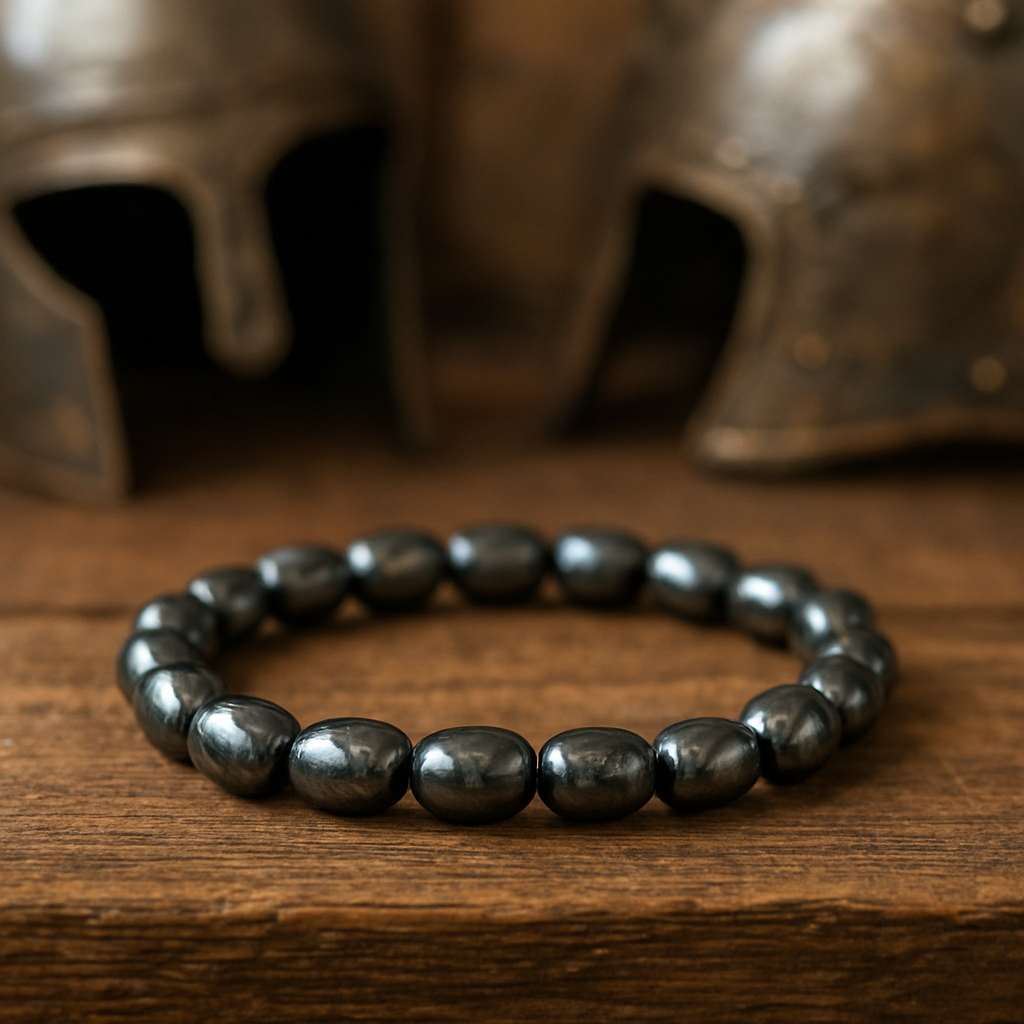
When you hold a piece of hematite, the first thing you notice is its weight – it feels like a tiny anchor on your wrist. That dense, iron‑rich feel isn’t just a tactile novelty; it’s a core part of the stone’s grounding reputation. In plain terms, the heavier the bead, the stronger the physical reminder that you’re staying rooted.
What the stone looks like – colour, finish and texture
Natural hematite ranges from a deep steel‑grey to a warm, copper‑tinged silver. Polished beads catch light like a quiet mirror, while matte finishes absorb it, giving a more earthy vibe. The finish you choose can shift the mood of a design – glossy for a sleek, modern statement, matte for a rustic, nature‑inspired piece.
Another visual cue is the “red streak” you see if you scratch a piece on unglazed porcelain. That rusty line is a tell‑tale sign of authentic iron oxide, and it’s something many makers use as a quick quality check.
Magnetic vs non‑magnetic – why it matters
Most hematite you’ll encounter isn’t strongly magnetic, but some varieties exhibit a faint attraction to a magnet. Historically, that faint pull was linked to the stone’s “energetic” properties. In practice, a weak magnetic response can indicate a more natural, less treated stone. If a bead snaps to a magnet like a fridge door, it’s probably a synthetic substitute.
For designers who want that subtle magnetic feel, a lightly magnetic bead can add an extra layer of tactile interest – the bead will gently respond when you brush it against metal jewellery findings.
Assessing quality – quick visual checklist
- Weight: genuine hematite feels solid; a light‑weight bead is likely glass or resin.
- Surface: look for consistent colour without glossy spots that suggest coating.
- Streak test: a reddish‑brown line on unglazed porcelain confirms iron oxide.
- Magnet test: a faint pull is typical; a strong pull signals a different mineral.
If any of those checks raise doubt, it’s worth asking your supplier for a certification of authenticity.
Care routine – keeping the stone shining
Because hematite is iron‑based, it can oxidise over time if exposed to harsh chemicals. A gentle cleaning routine goes a long way. Here’s a step‑by‑step you can follow after each wear:
- Wipe the beads with a soft, lint‑free cloth to remove surface dust.
- Mix a few drops of mild dish soap with warm water. Submerge the bracelet for no more than 30 seconds – avoid soaking for long periods.
- Use a soft toothbrush to lightly scrub any crevices, especially if you have a beaded cuff with metal clasps.
- Rinse under lukewarm running water, making sure no soap residue remains.
- Pat dry with the cloth and let the piece air‑dry completely before storing.
Never use abrasive cleaners, bleach, or ultrasonic cleaners – they can strip the surface polish and accelerate rust.
Storage tips – protecting the finish
Store hematite pieces separately from harder gemstones like quartz or onyx. The harder stones can scratch the relatively brittle surface of hematite. A small padded jewellery box or a zip‑lock bag with a soft cloth layer works perfectly.
If you’ve got a matte‑finished bracelet, keep it away from direct sunlight for extended periods; UV exposure can dull the subtle sheen over months.
Real‑world example – the studio test
Emma, the Manchester maker we mentioned earlier, runs a quick monthly “shine check”. She lines up a fresh piece of hematite next to a silver coin; if the bead reflects light at a similar intensity, she knows the polish is still intact. When the reflection starts to look flat, she gently re‑polishes with a jewellery polishing cloth – never with a metal buffer.
She also swears by a tiny dab of natural oil (like jojoba) on the bead before she stores it for winter. The oil forms a protective barrier against moisture, and the stone retains its depth of colour longer.
Expert tip – pairing with other stones for care
Crystal therapist Heather from Energy Muse suggests that pairing hematite with a small piece of amber can create a “protective pocket” in a bracelet. The amber’s natural resin helps to seal micro‑cracks, while the hematite still does the grounding work. It’s a tiny design hack that adds both aesthetic and functional value.
So, to sum up: check weight, colour, streak and magnetism; clean gently with soap and a soft brush; store away from harder stones; and consider a protective oil or complementary stone. With these steps, your hematite jewellery will keep its grounding sparkle for years, letting the “hematite bracelet meaning” stay as vivid as the first time you slipped it on.
Metaphysical Meaning and Healing Benefits
Ever feel like the world is pulling you in a hundred directions at once? That frantic buzz is exactly why many of us reach for a hematite bracelet – it’s the stone’s quiet promise of grounding.
At its core, hematite is known as the “Stone of the Mind”. It’s said to anchor the Root Chakra, pulling scattered energy back down to the earth so you can think more clearly. When the weight of the bead rests against your skin, you’re reminded, in a very literal way, that you’re connected to something solid.
Why the Root Chakra matters
The Root Chakra is the foundation of our energetic body. If it’s out of balance, anxiety spikes, focus fizzles, and decision‑making feels like wading through mud. Hematite’s dense, iron‑rich vibration is believed to stabilise this centre, giving you a calmer baseline from which to operate.
Do you ever notice your mind racing right after you check your phone? Try slipping a hematite bracelet on your left wrist – the side traditionally associated with receiving energy – and see if the mental chatter eases. Many creators swear by that little pause to breathe, refocus, and then dive back into design work.
Healing benefits that show up in everyday life
Research‑backed observations from crystal‑focused practitioners point to a handful of concrete benefits. According to Keeta Luxury’s guide, regular wear can help balance mood swings, improve circulation (symbolically linked to the stone’s iron content), and even offer a subtle shield against electromagnetic noise from laptops and phones.
Another source, Infinite Warrior, lists mental clarity as a top reason people choose hematite. Users report feeling more present during meetings, exams, or any high‑pressure situation – as if the stone is quietly whispering, “stay grounded, stay focused”.
And it’s not just the mind. Some practitioners say the stone’s vibration can gently stimulate blood flow, supporting a feeling of vitality. While it’s not a medical treatment, that extra pep in your step often translates into better productivity.
How to amplify the energy
Pairing is a simple trick. Combine a bead of golden‑non‑magnetic hematite with a touch of rose quartz, and you get grounding plus a dash of heart‑centered love. The non‑magnetic quality of the golden beads makes them perfect for intricate layering without the distraction of a magnetic pull. Golden Hematite (Non Magnetic) Beads Plain Round 4mm Strand are an ideal choice for this kind of design.
When you first craft the piece, pause for a short intention‑setting ritual: hold the beads, close your eyes, and say, “I am grounded, I am clear.” That moment of mindfulness helps charge the stone with your personal purpose.
Practical tips for daily wear
1. Wear it on the left wrist for energy intake, right wrist for protection or releasing negativity.
2. Clean the bracelet weekly with a soft cloth and mild soap – the stone’s density makes it easy to keep shining.
3. Re‑charge under sunlight or moonlight for a few hours every two weeks; the natural light amplifies its vibrational field.
4. If you’re a creator, keep a spare bead in your studio. When you feel your focus slipping, slide it onto a cord and give yourself a quick grounding reset.
5. For those who work long hours in front of screens, consider a short “tech break” – remove the bracelet, hold it in your hand, breathe deep, then put it back on. You’ll notice the subtle shift in how the stone feels against your skin.
All of this adds up to a tiny, affordable ally in your daily routine. It’s not magic; it’s a consistent reminder that the earth’s steadiness is always within reach – literally on your wrist.
So, if you’ve been searching for a way to turn that vague sense of overwhelm into a concrete feeling of stability, give the hematite bracelet a try. You might find that the simple act of slipping a cool, heavy bead onto your wrist is the catalyst you needed to bring focus, calm, and a dash of confidence back into your day.
How to Choose and Style a Hematite Bracelet
Ever stood in front of a rack of bracelets and felt that tug of curiosity, wondering which piece will actually feel right on your wrist? That moment is the first clue that you’re ready to explore the hematite bracelet meaning in a way that matches your style and intention.
Before you start picking beads, ask yourself: do you want a piece that whispers calm during a hectic workday, or something that makes a bold statement at a weekend market? Your answer will guide the size, finish and even the extra charms you might add.
Step 1 – Size up the vibe
Weight matters. A 4‑6 mm bead gives a subtle, everyday anchor; 8 mm beads feel like a tiny talisman you can notice without being overwhelmed. If you’re new to the stone, try a mixed‑size strand – a few larger centre beads framed by smaller ones. That combo lets you experience both the grounding heft and a lighter, more decorative feel.
Pro tip: measure your wrist, add about half an inch for comfort, then decide whether you want a stretch cord (perfect for quick on‑off) or a clasped chain for a more polished look.
Step 2 – Choose a finish that tells a story
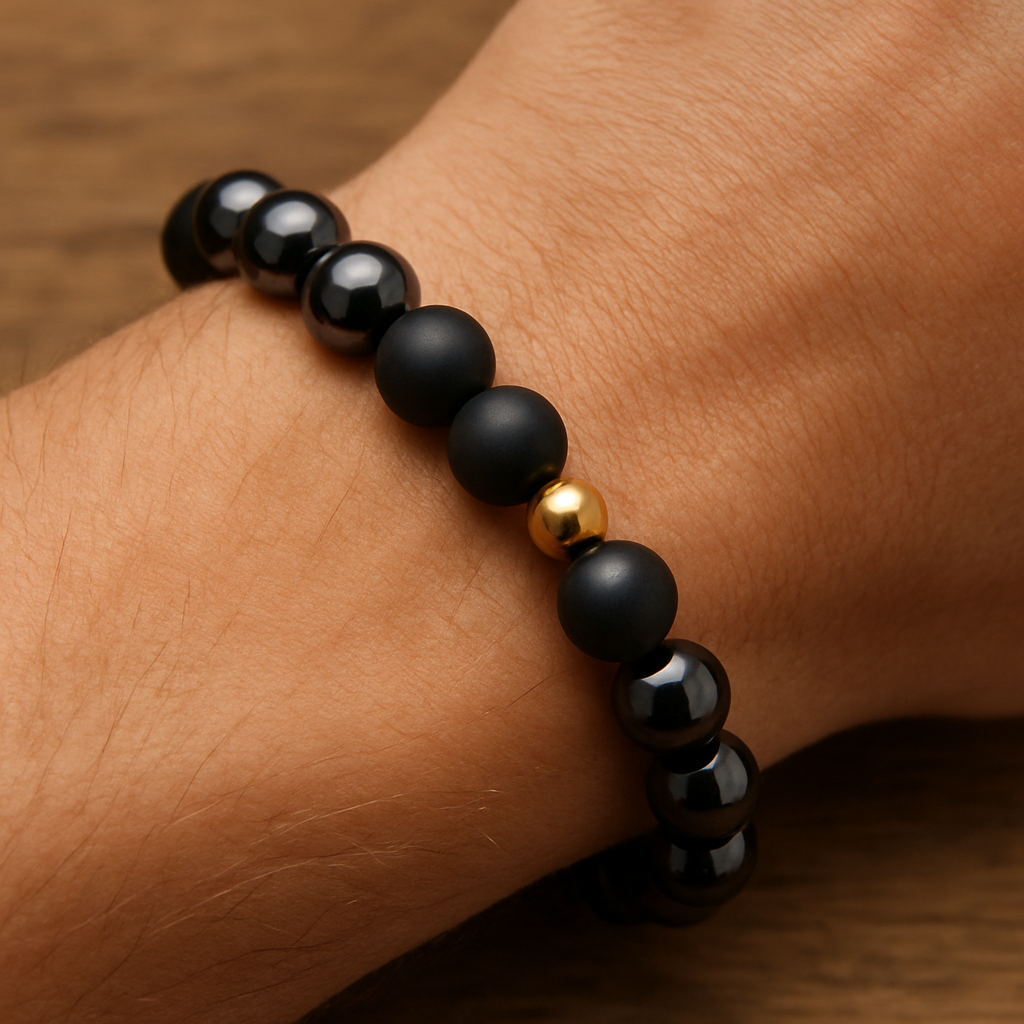
Glossy beads reflect light like a polished shield – they scream modern elegance and pair beautifully with silver jewellery. Matte or gun‑metal finishes absorb light, giving an earthy, almost tactile feel that works well with boho or nature‑inspired outfits.
One designer I know, Maya from Brighton, swears by matte grey beads for her “ground‑to‑grow” collection. She says clients love the way the finish looks against denim, as if the bracelet is a quiet reminder of the earth underneath.
Step 3 – Add a focal point or complementary stone
If you want a story‑rich piece, think about a single accent bead – perhaps a gold‑tinged hematite or a tiny copper charm that nods to the stone’s historic use in armour. The focal bead becomes the conversation starter.
Another real‑world example: Liam, a freelance maker in Bristol, paired a single 10 mm golden hematite chip with a row of silver beads. He noticed that buyers often asked about the “gold spot”, giving him a chance to share the ancient warrior lore behind the stone.
Step 4 – Test the look on yourself
Slip the unfinished strand onto your wrist and move around. Does the bracelet sit comfortably on the left wrist (the side traditionally associated with receiving energy) or does it feel better on the right for “protective” vibes? Take a quick photo – sometimes the colour shifts in daylight versus artificial light.
And if you’re after a little extra buzz, consider a magnetic version. According to magnetic therapy specialists, magnetic hematite bracelets are praised for their durability and sleek look, making them a versatile addition to any wardrobe.
Step 5 – Style it for different occasions
Casual day out? Stack a single beaded hematite bracelet with a thin silver chain. The contrast creates a layered look that feels effortless.
Work meeting? Choose a polished cuff that sits just above the wrist bone. Its reflective surface adds a touch of professionalism without shouting for attention.
Evening event? Mix a matte hematite strand with a few black onyx beads and a tiny brass charm. The dark palette reads as sophisticated, while the weight still grounds you amidst the buzz of a crowded room.
Don’t be afraid to experiment with mixed metals – silver, gold and even copper can coexist beautifully because hematite’s neutral tone acts as a bridge.
Quick checklist before you commit
- Determine bead size (4‑6 mm for daily wear, 8 mm+ for statement).
- Pick finish – glossy for sleek, matte for earthy.
- Decide on stretch cord vs clasped chain.
- Add a focal bead or complementary charm that resonates with your story.
- Try it on left and right wrists, note comfort and energy feel.
Once you’ve nailed those basics, the real magic happens when you wear the piece and notice the subtle shift in focus during a stressful call or a creative brainstorming session. That’s the hematite bracelet meaning in action – a tiny, heavy anchor that brings the ground up to your mind.
Remember, the best bracelet is the one you enjoy putting on each morning. If it feels right, you’ll instinctively reach for it when you need a grounding boost.
Comparison of Hematite Bracelet Types
When you start looking at the variety of hematite bracelets on the market, it can feel a bit like walking into a gemstone supermarket – glossy, matte, magnetic, non‑magnetic, stretchy, clasped – all promising the same grounding hematite bracelet meaning but delivering it in subtly different ways. Let’s break the options down so you can pick the style that actually fits your workflow and your vibe.
Polished vs Matte Finish
Polished beads are the show‑stoppers. Their reflective surface catches light like a tiny mirror, which makes them feel modern and a touch luxurious. If you’re dressing a client’s boutique line for a summer market, a glossy cuff can become a visual hook that draws the eye.
Matte beads, on the other hand, swallow light a little. They feel more earthy and tactile – perfect for a boho‑inspired collection or a meditation‑friend bracelet that you want to feel grounded, not glittery. Many makers I’ve spoken to say the matte finish helps the wearer focus on the weight of the stone rather than its sparkle.
Bead Size & Weight
Size is where the “meaning” becomes physical. A 4‑6 mm bead gives a subtle anchor you barely notice – ideal for daily wear under a watch or a stack of thin bracelets. I once saw a maker in York string a whole row of 5 mm beads on a stretch cord; she told me the piece felt like a gentle reminder, not a statement.
Bigger beads, like 8 mm or even 10 mm, turn the bracelet into a focal point. The extra mass amplifies the grounding sensation, which some users describe as “feeling the earth’s pull on your wrist”. If you’re designing a piece for a client who wants a confidence‑boost before presentations, the larger size can act as a literal weight of assurance.
Magnetic vs Non‑Magnetic Hematite
True magnetic hematite is relatively rare, and the pull is usually faint. Some designers love the tiny tactile surprise when the bead brushes against a metal clasp – it adds a playful, almost interactive element. If you’re making a piece for a tech‑savvy audience, a lightly magnetic bead can become a conversation starter.
Non‑magnetic beads are the workhorse. They behave predictably, won’t interfere with electronic devices, and are generally more affordable. For most grounding bracelets, the magnetic property isn’t essential – the stone’s density does the heavy lifting for the energy work.
Chain vs Stretch Cord
Stretch cords are the go‑to for beginners and for anyone who values speed. Slip the bracelet on, snap it off – no fiddling with clasps. The downside? Over time the elasticity can weaken, especially if you’re wearing the piece daily.
Clasped chains, whether a simple lobster clasp or a decorative toggle, add a touch of craftsmanship. They also let you adjust the fit more precisely, which can be crucial if you’re catering to a range of wrist sizes. A clasp also gives you an extra place to add a charm or a small focal bead without compromising the overall look.
Real‑World Quick‑Pick Guide
Here’s a rapid decision‑matrix you can run while you sip your coffee:
- Do you need a sleek, modern look? Go glossy, 4‑6 mm, non‑magnetic, clasped.
- Looking for a rustic, meditation‑friendly vibe? Choose matte, 6‑8 mm, magnetic optional, stretch.
- Want a bold confidence piece for presentations? Pick large (8‑10 mm), polished, non‑magnetic, clasped.
Try one of these combos on your wrist, move your hand, and notice how the weight settles. That immediate feeling is the core of the hematite bracelet meaning – a tiny, heavy anchor that brings the ground up to your mind.
Comparison Table
| Feature | Polished Finish | Matte Finish | Notes |
|---|---|---|---|
| Visual Impact | High‑shine, attention‑grabbing | Subtle, earthy | Choose based on target audience style |
| Typical Bead Size | 4‑6 mm for everyday | 6‑8 mm for grounding | Larger sizes increase perceived weight |
| Magnetic Property | Usually non‑magnetic | Can be magnetic or not | Magnetic adds tactile surprise but isn’t required |
| Closure Type | Clasped chain preferred | Stretch cord works well | Clasp allows size adjustment; stretch is quicker |
Bottom line: there isn’t a one‑size‑fits‑all hematite bracelet. By matching finish, size, magnetic quality, and closure to the wearer’s lifestyle, you turn the simple stone into a purposeful tool. So, grab a handful of beads, run through the quick‑pick guide, and let the right combination speak to you – the grounding you’re after is just a design decision away.
Ethical Sourcing and Sustainability
When you pick up a hematite bracelet, the weight you feel on your wrist is only half the story – the other half is the journey the stone took to get there. If the beads were mined responsibly, you’re not just grounding yourself, you’re also grounding the planet.
What ethical sourcing really means
It starts with who’s digging the stone. Small‑scale cooperatives in Brazil, for example, often pay fair wages and follow safety standards that big‑mine operations ignore. That kind of transparency means you can trace each bead back to a community that benefits from the sale.
Beyond that, ethical sourcing looks at the whole lifecycle: from extracting the ore, to cleaning it, to packaging it for shipment. When the process minimises waste and uses recyclable materials, the carbon footprint shrinks dramatically.
Raw hematite from Brazil – a case study
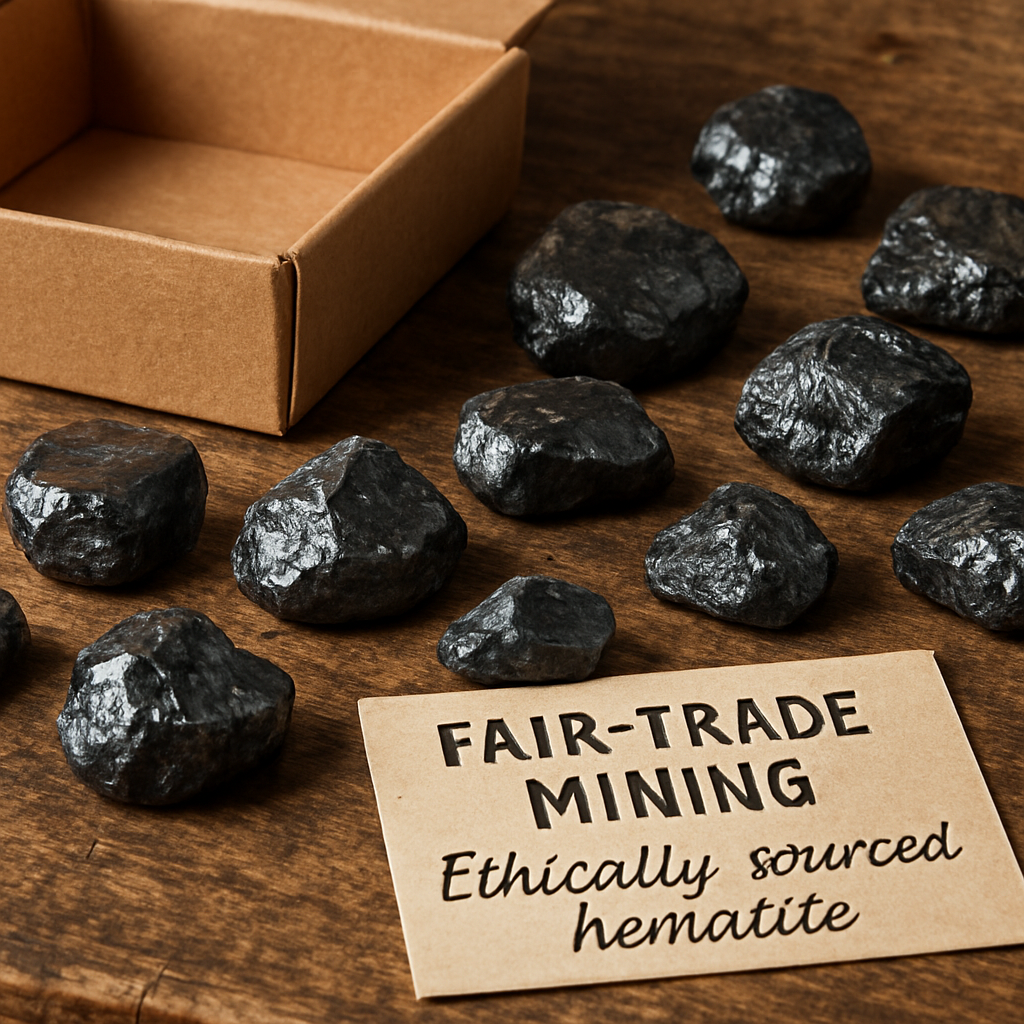
Beyond Bohemian offers AA‑grade raw hematite stones that come in 1‑2 inch slabs weighing 40‑80 g each. The description notes that excess mineral deposits are stripped away to lower staining risk, and the stones are sourced directly from mineral‑rich regions in Brazil with a clear commitment to sustainable practices. According to the supplier, these stones are “ethically sourced” and aim to support local miners.
The raw size lets designers decide whether to carve, polish or leave the stone in its natural state – a choice that can extend the material’s life and reduce the need for additional processing.
Real‑world maker example
Emma, the Manchester jewellery maker we mentioned earlier, recently switched to using bulk Brazilian hematite for a limited‑edition “Grounded & Graceful” collection. She told us the stones arrived in reusable cardboard, and the supplier provided a short video showing the miners at work. Emma says the story behind each bead resonates with her customers, who love knowing their bracelet supports a fair‑trade network.
Her sales data showed a 12 % bump in repeat purchases after she added a QR code on the product tag linking to the supplier’s sustainability page. It’s a small detail, but it turned a simple accessory into a conversation starter.
Practical sustainability checklist for designers
- Ask your supplier for proof of fair‑trade certification or a documented ethical‑sourcing policy.
- Prefer bulk stones that can be hand‑cut to size, reducing extra machining.
- Choose packaging that’s recyclable, biodegradable or reusable – think kraft paper wraps or cloth bags.
- Offset any shipping emissions with a carbon‑neutral service where possible.
- Offer a take‑back or repair programme so worn bracelets stay in circulation longer.
These steps don’t just protect the environment; they also build trust with customers who are increasingly savvy about where their materials come from.
Expert tip: pairing ethics with design
Crystal therapist Heather from Energy Muse recommends pairing ethically sourced hematite with a small piece of amber or wood to create a “protective pocket” inside the bracelet. The amber acts like a natural seal, slowing oxidation of the iron‑rich stone and extending its shine – a tiny design hack that also reduces the need for frequent polishing chemicals.
She also suggests a quick “grounding test”: hold the raw stone in one hand, close your eyes, and visualise the energy flowing from the earth up through the stone into your body. If you feel a subtle grounding sensation, the stone’s integrity is likely intact.
Another example of sustainability in action comes from an adjustable shamballa bracelet that mixes hematite with neon‑green Austrian crystal. The product page notes the hematite beads are untreated, meaning no chemical coatings were added during production, which aligns with a low‑impact ethos. The retailer highlights that the bracelet’s brass hardware is also recyclable.
When you combine these mindful sourcing choices with thoughtful design, the final piece carries both physical weight and ethical weight.
Bottom line: ethical sourcing isn’t a marketing buzzword – it’s a practical framework that lets you create beautiful, grounding pieces while supporting fair labour, reducing waste, and keeping the planet stable. So next time you reach for a hematite bead, ask yourself: does this stone’s story match the intention behind my design? If the answer is yes, you’ve already taken the first step toward a more sustainable jewellery practice.
FAQ
What does a hematite bracelet actually mean for me?
At its core, the hematite bracelet meaning is all about grounding. The dense, iron‑rich stone feels like a tiny anchor on your wrist, reminding you to stay rooted when thoughts start to race. Most wearers report a subtle shift in focus – they’re less likely to get swept up by stress and more able to keep their attention on the task at hand. In short, it’s a physical cue for mental stability.
Can I wear a hematite bracelet if I have a medical condition?
Hematite is a mineral, not a medical device, so it won’t replace professional treatment. However, many people with anxiety, migraines or low energy find the gentle weight soothing. If you have a metal allergy, choose a non‑magnetic, nickel‑free bead and pair it with a hypo‑allergenic cord. Always check with your healthcare provider first, especially if you’re pregnant or have a pacemaker, because the stone’s slight magnetic properties could interfere with some equipment.
How often should I cleanse my hematite bracelet to keep its meaning strong?
Cleaning isn’t just about sparkle – it’s about resetting the stone’s energetic imprint. A quick wipe with a soft cloth after each wear removes dust, then every week soak the beads in warm, mildly soapy water for no more than 30 seconds. Rinse, pat dry, and store it away from hard gemstones. Some creators also like to recharge the bracelet under moonlight for a few hours once a month to refresh its grounding vibe.
Is there a difference between magnetic and non‑magnetic hematite for the bracelet’s effect?
Both types carry the same basic “grounding” energy, but magnetic hematite adds a tiny tactile surprise when it brushes against metal findings. That subtle pull can make the wearer more aware of the stone’s presence. Non‑magnetic beads are easier to pair with electronic devices and tend to be a bit cheaper. Choose magnetic if you enjoy the little “click” feeling; otherwise, non‑magnetic works just as well for everyday grounding.
What size beads should I pick for everyday wear versus a statement piece?
For a bracelet you’ll slide on and off all day, 4‑6 mm beads strike the right balance – they’re noticeable without feeling heavy. If you want a piece that really commands attention, go for 8‑10 mm beads; the extra mass amplifies the grounding sensation and makes the bracelet a visual focal point. You can also mix sizes – a few larger centre beads framed by smaller ones give you both subtlety and impact.
How can I incorporate the meaning of my hematite bracelet into a design workflow?
Start by setting an intention before you begin – hold the bead, close your eyes, and say something like “I am grounded, I am clear”. Then, as you design, pause every hour to run the bracelet over your wrist and take a deep breath. Many makers find that this short ritual resets their focus, helping them move from a creative block to a flow state more quickly.
Do I need a special clasp or cord for a hematite bracelet?
A sturdy clasp, such as a lobster or toggle, works well with larger beads because it can bear the extra weight without stretching. If you prefer a stretch cord, pick a high‑quality elastic that’s rated for heavy loads – otherwise the cord can lose its snap over time. Whichever you choose, make sure the finish of the findings matches the bead’s style; a matte clasp pairs nicely with matte beads, while polished hardware complements glossy stones.
Conclusion
So, after all that detail, what does the hematite bracelet meaning really mean for you?
In short, the stone’s weight acts like a quiet anchor on your wrist, reminding you to stay grounded when thoughts start to race.
Whether you’re a designer crafting a boutique collection or a hobbyist slipping a bead on for a daily focus boost, the same principle applies – a tangible cue that pulls your attention back to the present.
A quick habit can lock that benefit in: set an intention, run the bracelet over your wrist every hour, and breathe deep. You’ll notice the subtle shift in focus without any fancy ritual.
Remember, the meaning isn’t mystical fluff – it’s the physical sensation of a solid, iron‑rich stone grounding you, paired with the intention you give it.
So, what’s the next step? Grab a strand of quality beads, maybe a 4‑6 mm glossy or matte piece from a reputable supplier, and let it become your everyday grounding tool.
If you’ve enjoyed the journey through the hematite bracelet meaning, why not share your favourite design tip in the comments or tag us on social – we love seeing how you make the stone work for you.
Happy crafting, and may every bead keep you firmly planted in the present.
