

Ever held a piece of rose quartz and felt that soft pink glow seem to whisper, "It's okay, you’re loved"? You’re not alone – many crafters swear they can sense the stone’s gentle hug after a long day of stitching beads.
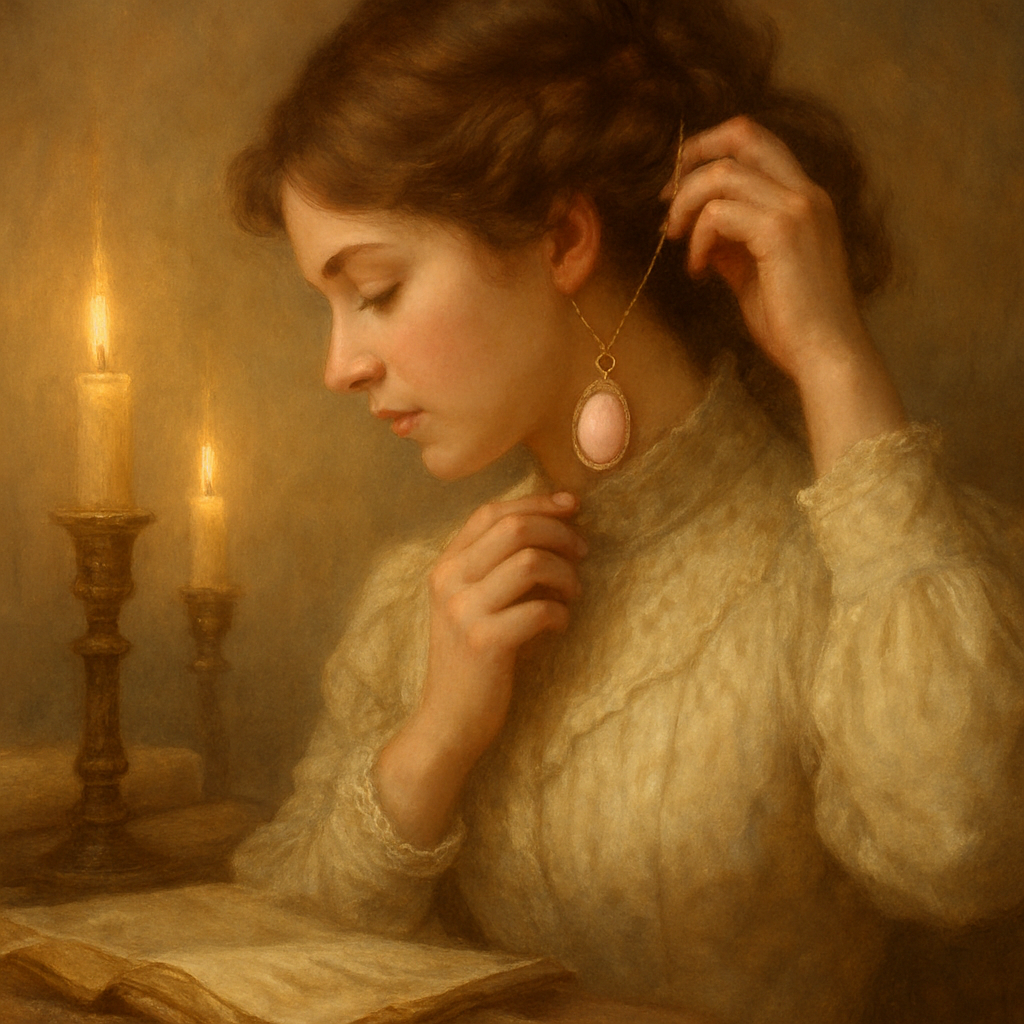
Rose quartz isn’t just a pretty colour; its metaphysical reputation stretches back to ancient cultures that used it as a love talisman. Think of a Victorian lady slipping a rose‑quartz pendant into her lock of hair, hoping it would attract a worthy suitor. Today, you might be stringing a bracelet for a friend who’s just gotten out of a tough breakup, hoping the stone’s reputed heart‑chakra energy will soothe the hurt.
So, how does this translate into your jewellery projects? First, pick beads that feel authentic – the subtle translucence of natural rose quartz carries the energy many describe as "unconditional love". You can explore our Rose Quartz bead collection for strands that range from delicate 4mm rounds to bold 10mm heart‑shaped beads.
Next, set an intention before you start. Hold the beads, close your eyes, and picture the feeling you want the finished piece to embody – whether that’s self‑compassion, a deeper romantic connection, or simply calm during a hectic day. Write that intention on a small sticky note and tuck it into your workspace; it becomes a quiet reminder each time you pick up a bead.
When you assemble the jewellery, consider layout patterns that echo the stone’s energy. A gradient from lighter to deeper pink can symbolise an emotional journey, while a single focal bead surrounded by neutral quartz can act like a "heart centre" in the design. Many creators report that customers comment on the "uplifting vibe" of such pieces, reinforcing the stone’s reputation.
Finally, give the finished item a gentle cleanse – a quick rinse in cool water and a few minutes of sunlight will reset its vibration, according to crystal‑healing traditions. Now you have a tangible reminder of love’s softness, ready to be gifted or worn.
Take action today: pick a rose‑quartz strand, set a loving intention, and let your hands do the rest. You’ll not only craft a beautiful accessory but also create a small, portable dose of emotional support for anyone who wears it.
TL;DR
Rose quartz metaphysical properties—gentle love, self‑compassion and heart‑chakra balance—can be felt when you hold its pink glow and set an intention.
Craft a bracelet or pendant with our authentic beads, cleanse it in cool water and sunlight, and let the piece serve as a portable reminder of love’s soothing energy.
History and Lore of Rose Quartz
Imagine running your fingers over a delicate pink amulet that’s survived millennia – you can almost hear the whispers of the people who first loved its gentle glow.
In ancient Egypt, rose‑coloured quartz was ground into powders and mixed with oils to create love‑potent balms. Pharaohs placed tiny rose‑quartz beads in burial chambers, believing the stone would guide the departed heart back to the living world.
Fast‑forward to Greece, where myth tells us that Aphrodite herself gifted mortals a rose‑quartz talisman to spark desire. Poets wrote about its “blushing light” as a symbol of unconditional love – a theme that resurfaces across cultures.
The Romans took a pragmatic approach: they set rose‑quartz in rings and signet seals, thinking the stone could ward off jealousy and keep marital bonds strong. Archaeologists have uncovered several such pieces in the ruins of Pompeii.
During the medieval period in Europe, rose‑quartz became a favourite in courtly jewellery. Ladies would slip a small polished bead into their hair, hoping it would attract a worthy suitor. If you’re curious about how that historic charm translates to today’s designs, check out our deep‑dive guide on rose‑quartz bracelets – it even maps the stone’s journey from altar to atelier.
Across the Atlantic, Brazil’s Minas Gerais region has been a source of high‑grade rose quartz since the 1500s. Indigenous peoples believed the stone could protect the wearer from harmful spirits, a belief that still echoes in modern crystal‑healing circles.
The 19th‑century Spiritualist movement revived the stone’s reputation in Europe and America. Séances featured rose‑quartz crystal balls, with mediums claiming the stone amplified psychic sensitivity and opened the heart to divine messages.
Today, New Age practitioners associate rose quartz with the heart chakra, describing its vibration as “soft, nurturing, and endlessly forgiving.” Many use it during meditation, visualising a pink light expanding with each breath.
In Chinese feng shui, rose quartz is placed in the south‑west corner of a home to nurture love and relationships. The stone is also mentioned in early Islamic texts as a talisman for the heart, believed to soften harsh emotions and promote compassion.
Modern jewellery designers often pair rose quartz with metals like rose gold or copper, echoing the stone’s warm hue while adding a grounding metallic energy. This blend creates pieces that feel both timeless and fresh – perfect for a gift that carries centuries of love.
So, how can you weave this rich tapestry of lore into your own jewellery projects? Start by selecting beads that feel authentic – the subtle translucence of natural rose quartz carries centuries of love‑energy. Pair a larger heart‑shaped bead with a simple silver chain to echo Victorian sentiment, or create a gradient necklace that mirrors the stone’s historic journey from raw crystal to polished charm.
If you’re exploring spiritual practices alongside crafting, you might enjoy the Spiritual Disciplines for Beginners list. It outlines simple habits that complement the calming influence of rose quartz, like daily gratitude journaling or breathwork.
For a deeper philosophical perspective, consider the writings of Rev Dr Boudreau, who often discusses the intersection of faith, symbolism, and material culture – a thoughtful read when you’re pondering why a pink stone has captured human imagination for ages.
Physical Characteristics and Sources
Ever wondered why rose quartz looks like a soft sunrise caught in stone? It’s not magic – it’s chemistry, pressure, and a dash of Earth’s patience.
What the stone actually looks like
First off, the colour. Rose quartz ranges from a whisper‑thin blush to a deeper pink that feels almost velvety. That hue comes from trace amounts of titanium, iron or manganese slipping into the quartz lattice — a fact geology science explains the colour. Because the impurities vary, no two beads are exactly the same, which is why you’ll notice subtle shifts when you hold a strand.
Transparency is another tell‑tale sign. Most stones are translucent to semi‑transparent, letting light dance through but never becoming crystal‑clear like glass. The surface usually shows a vitreous, glass‑like sheen, though some pieces have a slightly waxy glow.
On the technical side, rose quartz is macrocrystalline – the crystals are big enough to see with the naked eye. It shares quartz’s trigonal crystal system, so you’ll see the classic six‑fold symmetry if you look closely at a raw chunk.
Hardness sits at 7 on the Mohs scale. That means it’s tough enough for everyday jewellery, yet still softer than sapphires or diamonds. You can scratch it with a steel file, but a casual tumble in a jewellery box won’t scar it.
There’s no true cleavage, but if it breaks, it does so with a conchoidal fracture – think of the smooth, shell‑like curve you get when a piece of glass snaps.
Density, streak and a hint of fluorescence
Rose quartz weighs in at around 2.65 g/cm³, matching the density of most quartz varieties. When you drag a piece across unglazed porcelain, it leaves a white streak – a handy quick test in the studio.
Some rarer specimens will show a faint glow under ultraviolet light. The fluorescence is weak, but it adds a little extra intrigue for the collectors among us.
Variations do exist. Occasionally you’ll find a stone with asterism – tiny star‑like patterns caused by microscopic inclusions – though that’s more of a collector’s curiosity than a crafting staple.
Where the pink gems come from
Now, let’s talk geography. The world’s biggest rose‑quartz deposits are in Brazil – especially Minas Gerais, Bahia and Rio Grande do Sul. Brazilian stones are prized for their consistent colour and large crystal size.
Madagascar offers some of the most intensely pink material, often with a crystal‑clear transparency that makes it a favourite for high‑end pendants.
In the United States, you’ll find quality rose quartz in South Dakota’s Black Hills, as well as in California and Maine. Those American stones tend to have a softer pink, perfect for delicate beadwork.
South Africa, India (particularly Tamil Nadu) and Namibia also contribute to the global supply, each bringing subtle regional quirks – a slightly different hue here, a unique internal fracture pattern there.
How the stone gets from earth to your workbench
Mining methods vary with location. When the vein lies near the surface, open‑pit mining is the go‑to technique: workers strip away soil and rock to expose the quartz. Deeper deposits call for underground shafts, where miners follow veins through tunnels.
Alluvial mining is another route – rivers and streams naturally sort the lighter quartz from heavier rock, leaving smooth, river‑worn beads that are ready to drop straight into a jewellery design.
And then there’s pegmatite mining. Pegmatites are coarse‑grained igneous rocks that often host the biggest, most perfect crystals. Skilled miners chip away at these formations, hoping to free a flawless pink gem.
All of these processes are overseen by ethical sourcing standards at Charming Beads, so you can feel confident that the stones you buy have been responsibly extracted.
What this means for your creations
Understanding colour, hardness and source helps you choose the right bead for each project. Need a sturdy focal point for a cuff? Go for a 10 mm puffy‑heart bead from a Brazilian batch – its hardness will stand up to daily wear. Want a subtle gradient for a calming bracelet? Mix 6 mm Madagascan beads with lighter 4 mm US stones; the slight colour shift adds visual interest while keeping the energy consistent.
And because rose quartz is relatively durable, you can cleanse it regularly – a quick rinse in cool water and a few minutes of sunlight will keep the stone bright without risking scratches.
So, next time you pick up a strand, think about the journey from deep‑earth formation to your hands. The physical traits aren’t just scientific facts; they’re the language the stone uses to speak to you as you craft.
Metaphysical Properties Compared Across Sources
When you start pulling up different crystal guides, you quickly notice the same soft‑pink promise popping up over and over – love, compassion, calm. But have you ever wondered why the wording shifts from one author to the next?
Heart‑chakra language versus everyday love talk
Crystal Vaults frames rose (or pink) quartz squarely as a "Heart Chakra" stone, stressing its role in opening the centre of emotional giving and receiving. They even mention a subtle "high‑heart" or transpersonal love centre just above the traditional chakra, a nuance you won’t see in every guide.
Healthline, on the other hand, leans into the pop‑culture vibe of "unconditional love" and talks about the stone’s ability to "ward off negativity" when you wear it close to the heart. It’s less about chakras and more about a plain‑spoken feeling of being loved and safe.
So, does it matter which phrasing you use? Not really – the energy feels the same, but the language you pick can shape how you explain the stone to a client.
Healing focus: emotional vs. physical
Both sources agree the stone is gentle, yet Crystal Vaults adds a layer of physical‑health claims – lower blood pressure, heart‑rate regulation – that sit alongside the emotional benefits. Healthline is more cautious, reminding readers that scientific proof is lacking and that many benefits may be a placebo effect.
That contrast gives you two angles: you can market a piece as a soothing emotional ally, or you can sprinkle in the subtle health‑support narrative – just make sure you qualify it as anecdotal.
Practical rituals across the board
Want a quick ritual to share with a client? Both guides suggest placing a rose quartz piece under your pillow for sweet dreams, or holding it during a meditation focused on the heart centre. The only difference is the wording – one calls it a "loving vibration," the other calls it "pure love energy".
Here’s a tiny checklist you can print on a card:
- Cleanse the stone with cool water and sunlight.
- Hold it over your heart for one minute, visualising pink light expanding.
- Set a simple intention – e.g., "I welcome gentle love today."
That three‑step routine works whether you reference chakras or plain love.
Side‑by‑side snapshot
| Source | Core Metaphysical Claim | Typical Use |
|---|---|---|
| Crystal Vaults | Activates Heart Chakra and "high‑heart" centre; supports emotional balance and gentle cardiovascular harmony. | Heart‑centered meditation, chakra‑balancing jewellery, subtle health‑support talismans. |
| Healthline | Emits "unconditional love" vibration; helps ward off negativity and promote calm. | Everyday wear close to the chest, bedtime placement for sweet dreams, simple intention‑setting. |
| General consensus (craft community) | Soft, soothing energy that encourages self‑compassion and relational harmony. | Bracelet or pendant design, gift‑giving for break‑ups, creative ritual kits. |
Notice how the first two rows give you a ready‑made script you can quote when you write product descriptions or talk to a client. The third row captures the vibe that many makers already feel in their studios.
Which description resonates more with you? Do you prefer the chakra‑focused language that sounds a bit more "new‑age", or the straightforward love‑talk that feels instantly relatable? Either way, you’ve now got a side‑by‑side comparison to help you choose the phrasing that fits your brand voice.
Take a moment now: glance at your favourite rose quartz bead, think about the claim that feels most true to you, and jot a one‑sentence intention that blends both perspectives. You’ll end up with a richer story for your next design.
Healing Benefits and Reiki Applications
Ever felt that tight knot in your chest after a stressful day and wondered if a little pink crystal could help? You’re not alone – the rose quartz metaphysical properties are famed for softening that tension and inviting a gentle wave of calm.
First, let’s talk heart‑centre healing. Rose quartz is practically the therapist of the crystal world; it nudges the heart chakra open, allowing love‑energy to flow more freely. When you hold a bead during a quiet moment, you might notice a subtle warmth spreading across your chest, almost like a reassuring hug.
Emotional benefits you can feel right now
Here are three ways the stone shows up in everyday life:
- Self‑compassion boost – a quick five‑minute pause with a rose quartz worry stone can shift negative self‑talk into kinder inner dialogue.
- Relationship harmony – couples who place a paired rose quartz pendant on their nightstand often report feeling more patient and open during conversations.
- Stress release – many crafters swear that a simple hand‑roll of a polished rose quartz bead eases anxiety before a busy work‑shop.
Does that sound a bit too good to be true? The same source that describes these qualities calls the stone “a magnet for those who want to welcome softer, gentler, and more compassionate energy into their life”according to Tiny Rituals, and countless hobbyists echo the sentiment.
Now, what about the body? While rose quartz isn’t a substitute for medical care, its gentle vibrations are said to support circulatory health – think smoother heart rhythm and a calmer blood pressure reading after a regular crystal‑infused meditation.
Physical support for the heart and beyond
If you’re a maker who spends hours at a bench, you’ll know how strain can creep into your shoulders and neck. Placing a rose quartz bead on the work surface can act like a tiny grounding anchor, reminding you to breathe and relax.
Some practitioners even suggest a brief “stone‑water rinse” after a long crafting session: run cool water over the beads for a minute, then dry them gently. This simple ritual is believed to clear any accumulated energetic residue, keeping the stone’s vibration bright for the next project.
Ready to try it yourself? Here’s a quick three‑step routine you can slot into any day:
- Pick a rose quartz bead (4 mm or 6 mm works well for a pocket‑size talisman).
- Hold it in your right hand, close your eyes, and inhale deeply three times. Visualise a soft pink light expanding from your heart.
- Speak a personal intention – for example, “I release tension and welcome calm” – then place the bead on your desk or wear it on a necklace.
Feel that? That subtle shift is the stone’s metaphysical property at work, nudging your nervous system toward relaxation.
Reiki applications with rose quartz
When you bring rose quartz into a Reiki session, it acts as a “love‑amplifier” for the practitioner’s energy. The stone’s frequency aligns nicely with the 7th‑spiritual vibration mentioned in many Reiki manuals, helping to smooth out any heart‑chakra blockages.
Try this during a client session:
- Place a polished rose quartz disc on the client’s chest, just above the sternum.
- Run a light, sweeping Reiki hand‑scan over the stone, allowing its vibration to mingle with the universal life force.
- Finish with a gentle tap on the stone, signalling the intention to seal the healing.
Clients often report feeling a warm, comforting sensation – a sign that the stone’s energy is echoing the Reiki flow.
What if you’re new to Reiki? No worries. You can start by using the stone for self‑Reiki: lie down, place a rose quartz bead on each side of your heart, and run a few minutes of Reiki hand‑positions over them. The result is usually a deeper sense of emotional balance and a lingering feeling of being “held” by something soft.
So, how do you keep the benefits consistent? Rotate your rose quartz every few weeks, cleanse it in running water, and store it in a small pouch away from direct sunlight (the stone can fade if it basks too long).
Bottom line: whether you’re seeking emotional soothing, a subtle physical uplift, or a Reiki partner that whispers love, rose quartz fits the bill. Grab a few authentic beads, set a clear intention, and let the stone do the quiet work while you focus on creating beautiful jewellery.
Chakra Alignment and Meditation Practices
Ever sat down for a quiet moment and felt the weight of the day settle in your chest? That’s the exact spot the heart‑chakra wants you to breathe into. Rose quartz, with its soft pink hum, is practically a meditation‑coach for that centre.
First thing’s first – we need to know where the heart‑chakra sits. It lives right in the middle of the chest, a little above the sternum. When it’s balanced, you notice a gentle flow of love, compassion and calm. When it’s blocked, you might feel a tight knot, a lingering anxiety, or even a stubborn sense of self‑criticism.
Why rose quartz works for heart‑chakra work
According to Happy Soul Crystals, rose quartz is the "Stone of Unconditional Love" and is especially tuned to the heart‑chakra frequency. The stone’s trace titanium and manganese give it that gentle pink glow, which research‑savvy crystal lovers say helps the energy of the chakra vibrate more smoothly.
In practice, that means you can hold a bead, place it on your chest, or even drape a strand over your shoulders while you breathe. The stone becomes a physical reminder that love isn’t something you have to chase – it’s already humming inside you.
Three‑minute heart‑chakra reset
Here’s a quick routine you can slip into a work break or right before you start a jewellery project:
- Grab a strand of 6 mm pink rose quartz beads and let a single bead rest on your palm.
- Close your eyes, inhale for a count of four, hold two, exhale four. Visualise a warm pink light expanding from the bead into your heart.
- Speak a simple intention – "I welcome love and release tension" – then gently press the bead against the centre of your chest for 30 seconds.
Notice the subtle shift? Many crafters report a soft warmth, as if the stone is giving the heart a tiny hug. It’s that tiny vibration nudging the chakra back into alignment.
Guided meditation for deeper alignment
If you have a few minutes to spare, try a seated meditation:
- Sit comfortably, spine straight, legs crossed or feet flat on the floor.
- Place a rose quartz disc (or a handful of beads) on the sternum.
- Begin a slow breath, counting to six on each inhale and exhale.
- With each breath, imagine the pink light growing brighter, filling the space between the breastbone and the throat.
- When thoughts drift, simply return to the sensation of the stone’s cool smoothness against your skin.
After ten minutes, gently remove the stone, thank it, and set the beads aside. You’ll often feel a lingering sense of openness, making it easier to approach creative work with compassion.
Integrating rose quartz into your jewellery workflow
Because you’re already a maker, why not let the stone do double duty? While you’re threading beads, keep a small rose quartz chip on the workbench. Each time you reach for a new bead, pause, touch the chip, and reaffirm your intention. This tiny ritual keeps the heart‑chakra energy flowing throughout the crafting process.
For a more immersive practice, try a “chakra‑stack” bracelet: start with a grounding black onyx, add a centre rose quartz bead, then finish with an uplifting citrine. The sequence mirrors the journey from root to heart, giving the wearer a built‑in meditation aid.
Reiki boost with rose quartz
When you’re comfortable with Reiki, rose quartz can act as a love‑amplifier. Place a polished disc over the client’s heart, sweep your hands in a gentle arc, and finish with a light tap. Many practitioners notice a warm, tingling sensation – that’s the chakra responding.
New to Reiki? No problem. Use the same three‑step routine above, but focus on the universal life force flowing through the stone instead of your own breath. The result is often a deeper sense of emotional balance, perfect for a post‑crafting cool‑down.
Looking for a deeper dive into the spiritual side of rose quartz? Rev Dr Boudreau discusses how faith and crystal work can intersect, offering a fresh perspective for anyone wanting to blend tradition with personal practice.
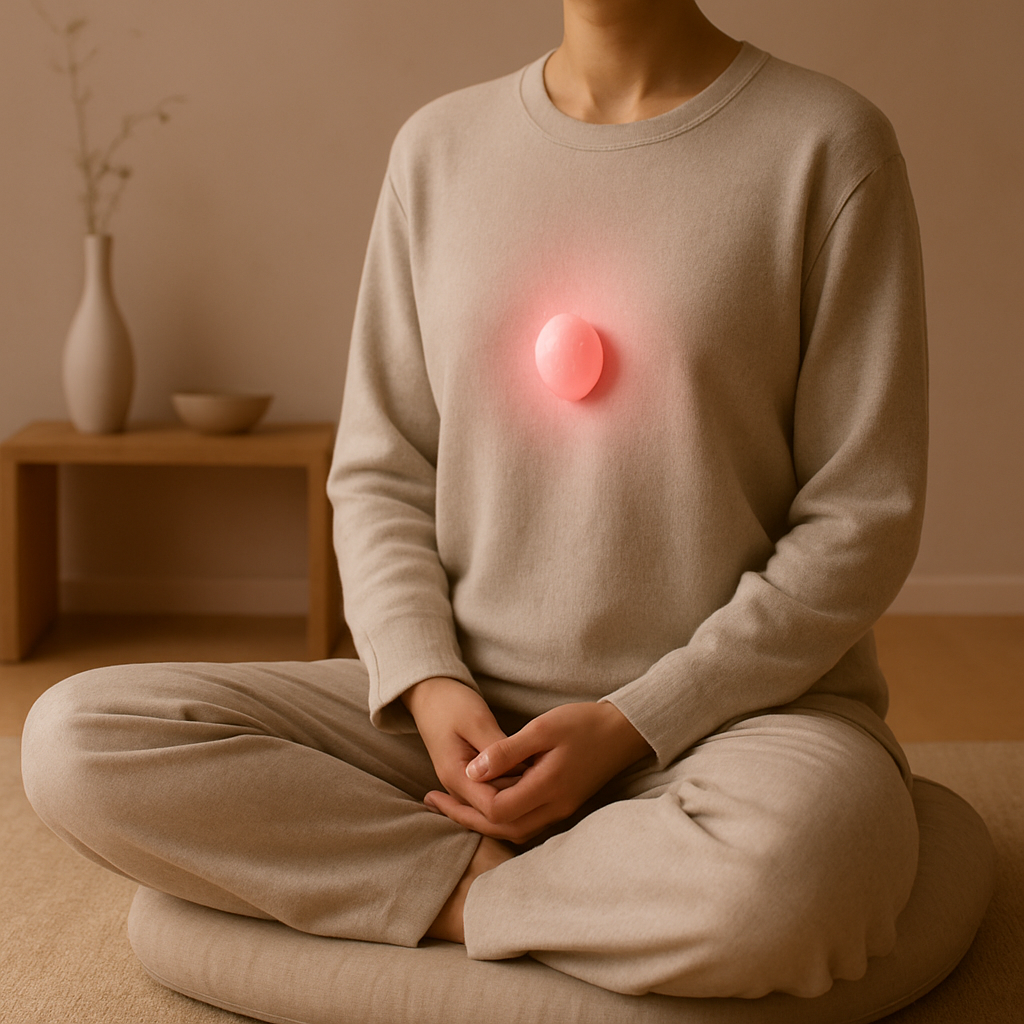
Bottom line: whether you’re a beginner or a seasoned maker, the combination of breath, intention, and a touch of rose quartz can keep your heart‑chakra humming. Try one of the routines above today, and watch how the stone’s gentle energy lifts both your mood and your craft.
Choosing Authentic Rose Quartz: Buying Guide
When you’re hunting for the perfect stone to carry the rose quartz metaphysical properties into your next jewellery piece, the first thing you’ll feel is a mix of excitement and a little anxiety. It’s like walking into a market where every glittering bead promises love, but only a handful are truly authentic.
Why authenticity matters
Real rose quartz has that soft, uneven pink you can see shifting when you turn it in the light. Synthetic stones often look too uniform, almost plastic‑like. That subtle variance isn’t a flaw – it’s the stone’s fingerprint, the sign that nature’s energy is still intact.
Because the metaphysical properties are believed to stem from the stone’s natural formation, a fake bead simply won’t vibrate the same way. You’ll notice the difference when you hold an authentic piece: a gentle warmth, a faint hum, or simply a sense of calm that feels almost tactile.
Spot‑check the colour and clarity
Look for a colour that ranges from a whisper of blush to a richer rose. If it’s an unnaturally bright pink, you’re probably looking at a dyed or glass substitute. Authentic beads often have tiny inclusions – specks, feather‑like fractures, or a faint milky haze. Those tiny quirks are proof the stone wasn’t mass‑produced in a factory.
Hardness is another giveaway. Rose quartz sits at 7 on the Mohs scale, meaning a steel nail should leave a scratch‑free surface. A quick test with a glass bottle – the stone should be able to scratch the glass, not the other way around.
Size and cut considerations for crafters
For delicate bracelets, 4‑6 mm round beads give you flexibility without bulk. If you’re designing a statement pendant, 8‑10 mm puffy‑heart beads create a focal point that still feels soft to the touch. Remember, larger beads often come from Brazilian deposits, while smaller, more uniform beads may be sourced from the United States.
When you spot a bead that’s perfectly round, perfectly smooth and exactly the same shade as the next one, pause. Nature loves variety; a little imperfection is a good sign.
Rare varieties and how to verify them
Occasionally you’ll encounter a blue‑tinged rose quartz – a rare find that carries the same heart‑centered energy but with an extra dash of mystery. These stones are typically harvested in Madagascar and are prized by collectors for their violet‑blue hue.
One way to confirm you’re holding a genuine Madagascar specimen is to check the provenance details provided by the seller. A reputable source will note the stone’s grade (AA or AAA) and its hand‑polished finish. For example, a blue rose quartz polished free‑form stone from Madagascar is described as AA grade with natural mineral inclusions that help verify authenticity according to Beyond Bohemian.
Ethical sourcing matters
Charming Beads prides itself on ethical extraction, but the same principle applies wherever you buy. Look for sellers who are transparent about mining locations, labour practices, and environmental impact. If a supplier can’t answer where the stone came from, it’s safest to walk away.
Ask for a certificate of authenticity or at least a detailed product description that mentions the mine or region. That small step protects both your craft and the communities that bring these gems to market.
Practical buying checklist
- Check colour – natural pink with subtle variation.
- Inspect for inclusions – tiny specks are a good sign.
- Test hardness – should scratch glass, not be scratched by steel.
- Confirm size and cut match your project needs.
- Verify source – look for clear mining origin and ethical statements.
- Consider rarity – if you’re after blue rose quartz, ensure grade and provenance are listed.
Keep this list handy on your phone or printed out next time you browse a supplier’s catalogue. It’ll save you from impulse buys that feel right in the moment but don’t hold up under scrutiny.
Final tip: touch before you trust
Whenever possible, order a single sample bead first. Hold it, feel its weight, notice any temperature change. If it feels right, you’ve found a stone that not only looks authentic but also carries the gentle rose quartz metaphysical properties you want to share with your customers.
Once you’ve built a trusted stash of genuine beads, you can focus on the creative side – setting intentions, designing patterns, and letting the stone’s natural energy do the heavy lifting. Your jewellery will then be more than pretty; it’ll be a tiny, handheld reminder of love and compassion.
Conclusion
So, what have we uncovered about rose quartz metaphysical properties? You’ve seen how the stone’s gentle pink hue isn’t just pretty – it’s a carrier of love, calm and subtle heart‑chakra alignment.
When you choose an authentic bead, you’re not only adding sparkle to a design, you’re inviting that soft energy into every piece you craft. Think about the moment you slipped a 6 mm bead onto a bracelet and felt a quiet warmth in your hand – that’s the stone doing its quiet work.
Remember the quick checklist: natural colour, tiny inclusions, a glass‑scratch test, clear provenance. If a bead ticks those boxes, you can trust it will support the metaphysical intent you set.
Ready to put it into practice? Pick one of your favourite rose quartz strands, set a simple intention – “I welcome gentle love today” – and let the bead sit on your workbench while you design. Each time you glance at it, you’ll reinforce that intention.
Finally, don’t let the knowledge stop at theory. Use the stone in a daily three‑minute heart‑chakra reset, or offer a tiny sample to a client as a reminder of the love you’re helping them wear.
Feel inspired? Let your next collection be a living story of rose quartz metaphysical properties, and watch how a single pink bead can turn a craft project into a heartfelt experience.
FAQ
What are the rose quartz metaphysical properties?
Rose quartz is most celebrated for its gentle, loving vibration. It’s said to open the heart‑chakra, encouraging self‑compassion, unconditional love and emotional balance. Many crafters report feeling a soft warmth in their hand when they hold an authentic bead, as if the stone is quietly reminding them to be kind to themselves and others. It also supports calm, helps dissolve resentment and can attract harmonious relationships when you set a clear intention.
How can I use rose quartz in daily jewellery design to boost its energy?
When you thread rose quartz into a necklace or bracelet, treat the bead as a tiny intention‑carrier. Before you start, hold the stone, take a deep breath and name the feeling you want the piece to convey – for example, “I welcome gentle love today”. As you string each bead, pause briefly, touch the stone and visualise the pink light spreading through the design. The repeated focus programs the jewellery with a consistent, loving vibration.
Can rose quartz help with emotional healing after a breakup?
Heartbreak can leave a dense emotional fog, and many people turn to rose quartz as a soft clearing tool. Place a polished bead on your chest during a quiet moment and breathe slowly, picturing the pink glow melting tension. You can also carry a small rose quartz pendant throughout the day as a reminder to treat yourself with compassion. Over time, users notice reduced rumination and a greater willingness to open up to new connections.
What is the best way to cleanse and recharge rose quartz beads?
A quick glass‑scratch test confirms authenticity, but cleansing keeps the energy clear. The easiest method is a cool‑water rinse: hold the bead under running water for 15‑20 seconds, then pat dry with a soft cloth. For a deeper charge, place the clean stones in sunlight for 10‑15 minutes or moonlight overnight, depending on your preference. Avoid harsh chemicals; they can dull the surface and disturb the subtle vibration you rely on.
Is there a difference between pink rose quartz from Brazil and Madagascar in terms of metaphysical feel?
Brazilian rose quartz tends to be a richer, deeper pink and often comes in larger, more uniform beads, while Madagascar material can show a brighter, almost translucent hue with subtle colour shifts. Metaphysically, many practitioners feel the Brazilian stones carry a grounding, nurturing energy that’s perfect for everyday wear, whereas the Madagascan pieces are thought to amplify the heart‑chakra’s higher‑frequency “high‑heart” centre. Choose the source that matches the intention you want to embed.
How does rose quartz interact with Reiki practice?
In Reiki, rose quartz is commonly placed over the client’s heart to soften any blockages before the energy flow begins. You can hold the stone in your hand while you channel the universal life force, letting its pink vibration mingle with the Reiki currents. After the session, thank the stone and give it a brief water rinse. This practice not only supports the client’s emotional release but also helps you stay centred and compassionate during the treatment.
Do size and shape of the bead affect its metaphysical impact?
Size does matter when you’re thinking about the stone’s vibrational footprint. Smaller beads, like 4 mm rounds, are great for subtle, background support – they whisper the energy without overwhelming a design. Larger pieces, such as 10 mm puffy‑heart beads, create a stronger focal point and can amplify the intention you set, making them ideal for statement jewellery or meditation tools. Shape also plays a role; smooth round beads feel calming, while faceted or heart‑shaped stones add a more dynamic, heart‑opening push.
