

Ever stared at a bead tray and felt that rush of colour, wondering why some stones just pull you in?
If you’ve ever been curious about the endless variety of jasper, you’re not alone – crafters constantly ask which type will give their piece that extra spark.
Jasper isn’t just one stone; it’s a family of over a dozen distinct varieties, each born in a different corner of the world and each carrying its own story, pattern and energy.
Take the classic red jasper from the Indian sub‑continent – its deep, earthy hue has been used for grounding amulets since antiquity. Or picture the speckled, almost photographic swirls of picture jasper, harvested in the United States, that look like a tiny landscape frozen in stone.
Then there’s the dramatic grey‑black veined jasper, with stark white veins that run like rivers through midnight rock. It’s a favourite for boho‑chic necklaces because the contrast adds visual drama without overwhelming the design. If you’re after that effect, you might check out our Grey/Black Veined Jasper Beads Plain Round 8mm – they’re ready to string straight out of the box.
Another crowd‑pleaser is poppy jasper, a bright orange‑red stone speckled with tiny black dots. It’s said to boost vitality and courage, making it perfect for statement bracelets that you want to wear on a busy day at the studio.
If you prefer something softer, the gentle cream‑black Dalmatian jasper offers a mottled pattern reminiscent of a dalmatian coat – ideal for earthy, rustic designs that pair well with leather cords.
So, how do you decide which type fits your next project? Start by asking yourself three quick questions: (1) What mood do you want to convey – grounding, energising, or calming? (2) Which colour palette are you working with? (3) Do you need a stone that tells a story, like picture jasper’s landscape motif?
Answering those will narrow the field dramatically. From there, grab a sample strand, lay it out with your other beads, and see how the colours dance together. Most crafters find that handling the stones in natural light reveals subtle undertones that can make or break a design.
In short, the world of jasper is as diverse as the craftspeople who use it. By understanding a few key varieties – red, picture, grey‑black veined, poppy and Dalmatian – you’ll be equipped to pick the perfect stone, whether you’re creating a simple beaded bracelet or a statement necklace for a client.
TL;DR
In this guide we break down the main types of jasper gemstones—red, picture, grey‑black veined, poppy and Dalmatian—highlighting their colours, origins and the moods they bring to jewellery and inspiration.
Armed with these insights, you can confidently pick the perfect jasper for any design in your studio, shop, or gift.
1. Red Jasper – The Classic Grounding Stone
Ever felt the earth's pulse under your fingertips when you pick up a piece of red jasper? That warm, almost coppery glow is why crafters call it the classic grounding stone.
Red jasper has been mined for centuries across the Indian sub‑continent, Brazil and the American Southwest. Ancient traders used it in amulets, believing the stone could anchor a wandering spirit back to the body. Imagine slipping a smooth, blood‑red bead onto a leather cord and feeling a subtle, steadying hum – that’s the legacy you’re working with.
Why red jasper grounds you
On a practical level, the stone’s dense silica structure gives it a hefty feel, which translates into a literal weight that steadies your hands while you bead. It also sits in the root chakra, so many designers swear it infuses a piece with calm confidence. When you pair red jasper with softer pastel beads, the contrast not only adds visual drama but also “grounds” the colour story, keeping the design from feeling too airy.
Here’s a quick checklist for using red jasper in your next project:
- Choose beads between 6 mm and 10 mm for a bold focal point.
- String them on a sturdy elastic or a waxed silk thread – the stone’s weight can pull on finer cords.
- Mix with earth tones like burnt sienna or deep green to amplify the grounding vibe.
- Finish with a matte clasp to maintain the stone’s natural, unpolished charm.
So, what does this mean for your studio workflow? It means you can grab a handful of red jasper, lay it out in natural light, and instantly see how it anchors the palette. If you’re ever stuck deciding between a bright pop of colour or a subtle base, let the stone guide you – it’s like having a quiet mentor in your bead bag.
And if you’re wondering how to protect that gorgeous hue from fading under studio lights, think of it like protecting your car’s windows: a quality film can keep the glare out and the colour in. Suntrust Window Tint offers solutions that keep light‑sensitive materials safe, a principle that applies just as well to delicate gemstone work.
Watching the video above, you’ll see a master jeweller demonstrate how to thread red jasper beads through a simple knot‑tightening technique – a perfect visual aid if you’re still learning the ropes.
One of my favourite tricks is to lay the finished strand on a piece of reclaimed wood – the natural grain highlights the red tones and gives the piece an earthy backdrop.
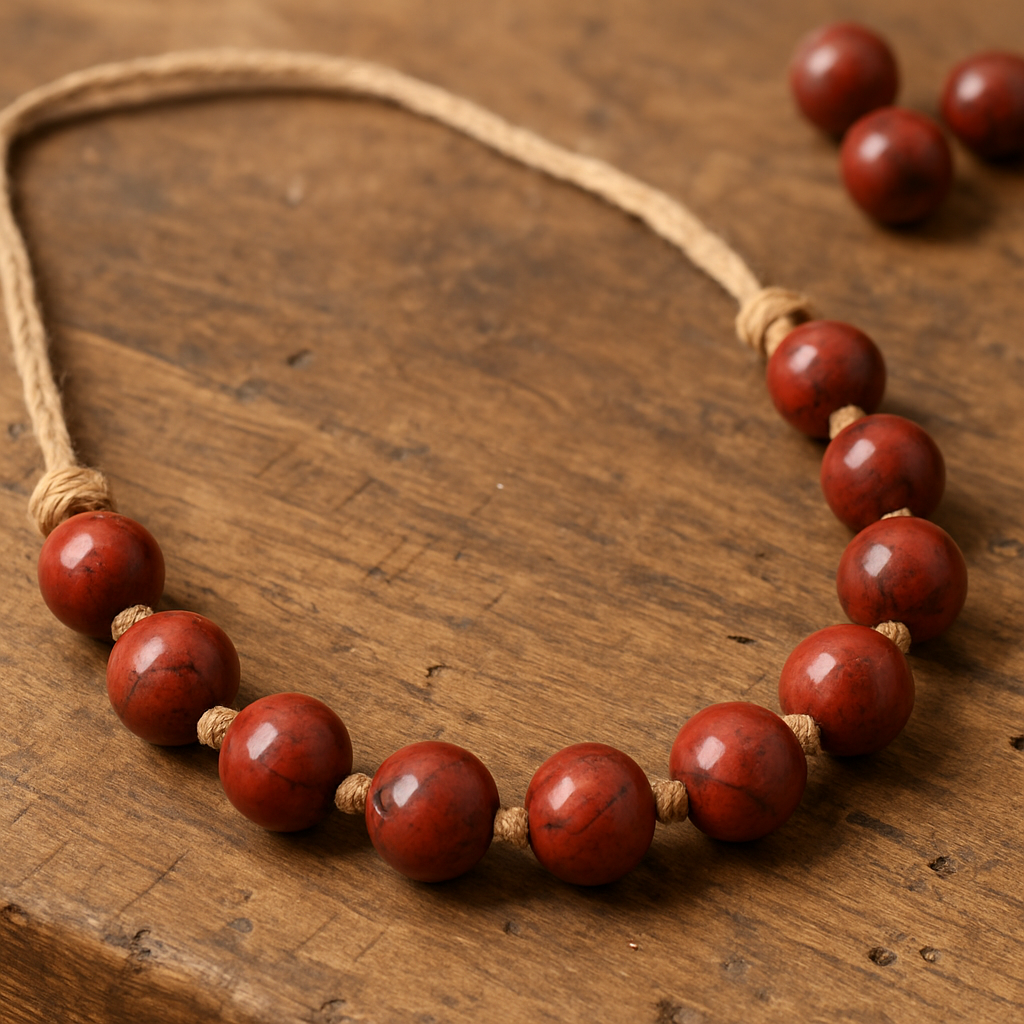
Bottom line: red jasper isn’t just another colour option; it’s a grounding tool that can transform the energy of any piece. Grab a few beads, experiment with texture, and let the stone remind you that solid foundations make the most striking designs.
2. Picture Jasper – Nature’s Canvas
Ever felt that tiny thrill when a stone looks like a miniature landscape, as if Mother Earth pressed a postcard into the rock? That’s picture jasper doing its quiet magic, and it’s one of the most compelling types of jasper gemstones for anyone who wants a story baked into every bead.
Picture jasper is an opaque, micro‑crystalline quartz that forms in layers of silicate‑rich mud or volcanic ash. Over millennia, mineral‑rich fluids seep in, creating the swirling bands, leaf‑like veins and even “scene‑like” motifs that look like clouds over a hill or a river cutting through stone. The result? Each stone is a one‑of‑a‑kind canvas painted by geology itself.
Why does that matter for your designs? Because the patterns aren’t just pretty – they’re conversation starters. Imagine a client running their fingers over a necklace and saying, “I feel like I’m looking at a tiny mountain range.” That moment of wonder is the extra spark you’ve been chasing.
According to Crystal Vaults, picture jasper is linked to the Base (Root) Chakra for grounding, and to the Third‑Eye Chakra for visualisation. In practice that translates to a stone that can calm a jittery mind while also sparking creative ideas – perfect for a studio‑wear bracelet or a meditation pendant.
How to choose the right picture jasper
1. Pattern preference: Do you love dense, forest‑floor brown swirls or lighter, golden‑tan bands? Hold the stone in natural light; the subtle colour shifts will guide you.
2. Size and finish: 6‑8 mm polished beads showcase the detail without overwhelming a delicate design. For a statement piece, 10‑12 mm matte slabs let the landscape breathe.
3. Colour harmony: Pair deep browns with warm metals like copper or brass; lighter tans work beautifully alongside cream‑coloured moonstone or ivory.
Real‑world design ideas
• A boho‑chic necklace: string picture jasper beads between 4 mm silver seed beads, finish with a hand‑stamped silver charm of a leaf. The contrast lets the jasper’s scenes pop without looking busy.
• A studio cuff: use 10 mm picture jasper slabs as the central panel, flanked by thin strips of black onyx for grounding. Finish with a leather cord for that earthy, tactile feel.
• A meditation bracelet: mix 6 mm picture jasper with a few polished amethyst points. The amethyst lifts the energy while the jasper keeps you rooted during practice.
Actionable checklist for your next project
1. Grab a handful of picture jasper beads and lay them on a white sheet of paper.
2. Sketch a quick design – note where the natural bands line up with your intended colour blocks.
3. Test the layout in daylight; rotate the stones until the flow feels intuitive.
4. Choose a finishing material (metal, leather, cord) that echoes the stone’s earthy vibe.
5. Secure the beads with a breathable cloth pouch when you’re not working – it keeps moisture out and the stone’s sheen intact.
Care tip you’ll thank yourself for
Because picture jasper is porous, avoid prolonged exposure to harsh chemicals or direct spray from cleaning solutions. A gentle wipe with a soft, slightly damp cloth is enough to restore its shine after a busy day at the bench.
So, what’s the next step? Head to your bead tray, pull out a few picture jasper nuggets, and let the stone’s natural story inspire your next masterpiece. You’ll find that each bead not only adds colour but also a whisper of Earth’s ancient landscape – and that’s a conversation piece you can wear.
3. Ocean Jasper – The Sea‑Born Beauty
Imagine holding a stone that looks like a tiny tide pool – swirls of green, pink and creamy white trapped in smooth, rounded orbs. That’s Ocean Jasper, the variety that feels like the beach slipped into your bead tray.
It forms in Madagascar’s coastal cliffs, where volcanic ash meets mineral‑rich groundwater. Over millions of years the silica‑filled mud hardens, and the unique orbicular pattern emerges – each little globe is a miniature wave frozen in stone.
Why Ocean Jasper works so well in jewellery
First, the colours are naturally calming. The soft greens echo the sea‑foam, while the pinks hint at sunrise over the water. Designers love that the stone’s palette is gentle enough to pair with metallics, yet bold enough to stand alone as a statement.
Second, its hardness (around 6.5‑7 on the Mohs scale) means it can survive daily wear without chipping – perfect for bracelets you’ll actually wear while you’re cooking, commuting or meditating.
Real‑world design ideas
• Coastal cuff bracelet: Use 10 mm Ocean Jasper slabs as the centre panel, flank them with thin strips of hammered copper. The metal’s warm tone mirrors sun‑kissed sand.
• Layered necklace: String 6 mm polished Ocean Jasper beads between tiny silver seed beads, finish with a hand‑stamped sea‑shell charm. The contrast lets the orbs sparkle without looking busy.
• Boho‑chic earrings: Pair a single 8 mm Ocean Jasper bead with a feather‑shaped brass hook. The natural orb balances the airy metal, creating a piece that feels both grounded and airy.
How to pick the perfect Ocean Jasper
1. Pattern density: If you want a subtle look, choose beads where the orbs are spaced out and the background is mostly creamy. For a vibrant vibe, go for stones where the green and pink patches dominate.
2. Finish: Polished beads highlight the smoothness of each orb, while a matte or frosted finish gives a more earthy, tactile feel.
3. Size matters: Smaller 4‑6 mm beads work well in delicate chains; larger 10‑12 mm slabs create focal points in cuffs or pendants.
Actionable checklist for your next Ocean Jasper project
1. Pull a handful of Ocean Jasper beads from your tray and spread them on a white sheet of paper.
2. Sketch a quick layout – notice how the natural orbs line up with your intended metal or colour blocks.
3. Test the arrangement in natural daylight; rotate each stone until the flow feels intuitive.
4. Choose a backing material – think leather cord for a rustic vibe, or a silver chain for a sleek finish.
5. Store any unused beads in a breathable cloth pouch to avoid moisture buildup.
Care tips you’ll thank yourself for
Ocean Jasper is porous, so steer clear of harsh chemicals or ultrasonic cleaners. A gentle wipe with a soft, slightly damp cloth restores its sheen after a busy day at the bench. Avoid prolonged exposure to direct sunlight, which can fade the delicate pastel tones over time.
Want more inspiration? Explore more gemstone beads by material and see how Ocean Jasper can sit next to other stones like green jasper or amber for a layered, earthy palette.
So, what’s the next step? Grab those ocean‑coloured orbs, play with a few design sketches, and let the stone’s seaside story guide your creation. You’ll end up with jewellery that not only looks beautiful but also carries the calm of a tide‑washed shore.
4. Mookaite Jasper – Australian Treasure
Imagine running your fingers over a stone that feels like a warm sunrise over the outback – that’s the first time many of us meet Mookaite Jasper. It’s the kind of gemstone that whispers "Australia" the moment you spot its fiery reds and buttery yellows. If you’ve ever wondered which jasper can add a dash of earthy adventure to a piece, you’re in the right spot.
1. Where it comes from – the heart of Western Australia
Mookaite is mined exclusively in the Kennedy Ranges, where the seasonal Mooka Creek carves dry riverbeds through red‑earth cliffs. The name “Mooka” actually means “running water” in the local Aboriginal language, a nod to the creek’s occasional floods that deposit silica‑rich sediments.Moonrise Crystals explains the creek’s role in forming the stone. Because it’s harvested from shallow clay layers, the stone tends to be less dusty than other jaspers, making it a joy to work with in the studio.
2. Colour story – a palette of fire and earth
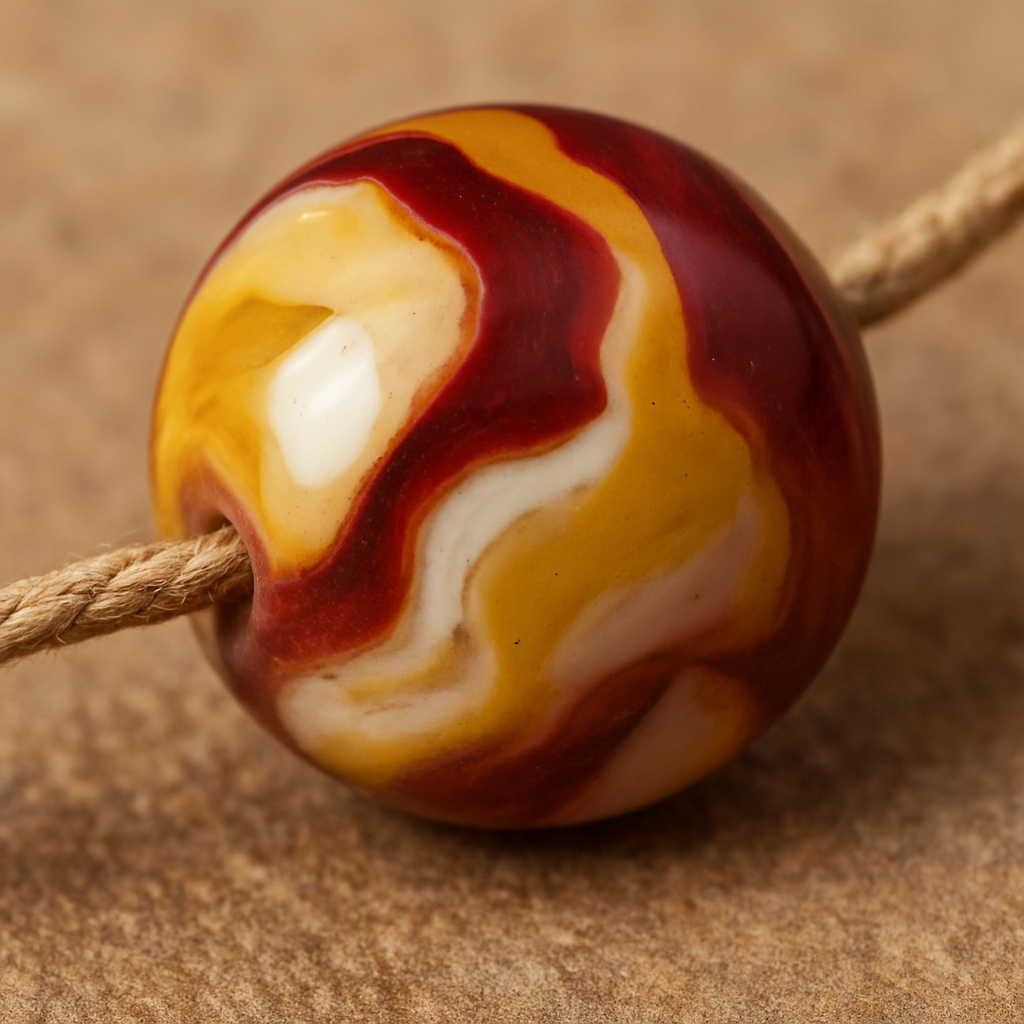
What you’ll see on a typical bead is a bold blend of scarlet, mustard‑yellow, creamy white and occasional mauve veins. Some nodules even show tiny dendritic “tree” patterns that boost their visual drama. The colour shifts aren’t random – they’re the result of trace minerals that seeped in as groundwater moved through the sediment over millennia.
3. Energetic profile – grounding, dreaming and chakra work
Like all Jaspers, Mookaite is a nurturing stone, but it leans heavily into the Australian Dreaming – that timeless space where past, present and future meet. It’s said to calm the mind while grounding the body, making it a favourite for meditation bracelets. The red tones stimulate the Root Chakra, the yellows fire up the Solar Plexus, and the deeper oranges support the Sacral Chakra, giving you a full‑body boost of confidence and vitality.Crystal Vaults outlines its chakra connections. In practice, many makers report that a single Mookaite bead can turn a simple strand into a piece that feels both protective and energising.
4. Design ideas you can try today
• Cuff bracelet: use a 10 mm polished Mookaite slab as the centre panel, flank it with hammered copper links for a warm, outback vibe.
• Layered necklace: string 6 mm beads between tiny silver seed beads, finish with a tiny kangaroo‑shaped pendant for a subtle Aussie touch.
• Earring set: pair a single Mookaite bead with a brushed brass hook, letting the stone’s colour pop against the metal.
These combos work because the stone’s natural patterns already carry a story; you’re just giving it a frame.
5. Quick checklist before you start
1. Spread a handful of Mookaite beads on a white sheet – notice how the colours flow together.
2. Sketch a rough layout; rotate each stone until the pattern feels intuitive in daylight.
3. Decide on a finish – polished for a glossy look, matte for a more earthy feel.
4. Choose a backing: leather cord for a rustic feel, or a thin silver chain for a sleek finish.
5. Store unused beads in a breathable cloth pouch to keep moisture out and preserve that natural sheen.
So, what’s the next step? Grab those fiery nuggets, play with a few sketches, and let the outback’s spirit guide your design. You’ll end up with jewellery that not only looks stunning but also carries the grounding power of an Australian treasure.
5. Green Jasper – Healing Earth
Imagine running your fingertips over a stone that feels like a moss‑covered forest floor – that’s the first impression most makers get from green jasper. Its deep, earthy greens whisper of growth, renewal and a quiet steadiness that can anchor a design the way roots anchor a tree.
1. Colour story & where it comes from
Green jasper comes from Brazil, India and the US, where mineral‑rich waters colour the silica with chlorite, epidote or serpentine. The stone shows forest‑green, olive and occasional gold flecks, each vein unique – perfect for a personal touch.
2. Healing vibe and chakra work
Many makers notice a calming effect when they hold green jasper. It's linked to the Heart Chakra, encouraging compassion and emotional balance, and is said to soothe the stomach and support adrenal glands – handy for a hectic studio day.
People also use green jasper in reiki sessions, placing a stone on the heart centre to amplify feelings of safety and acceptance. Its steady vibration is believed to help release old emotional patterns, making space for fresh creative ideas.
So, does it really work? While science is still catching up, the consistent anecdotal feedback – more calm, fewer ‘I‑can’t‑find‑my‑design’ moments – makes it a favourite for meditation bracelets and wellness‑focused jewellery.
3. Design ideas that let the stone shine
Earthy cuff: a 12 mm polished slab centre, flanked by hammered copper links – copper echoes the stone’s veins.
Layered necklace: 6 mm beads between tiny silver seeds, finish with a leaf charm for a growth vibe.
Earrings: an 8 mm bead on a brushed brass hook; the orange tone highlights the stone’s gold specks.
Notice how each suggestion pairs green jasper with warm metals – copper, brass or aged silver – because those tones naturally amplify its earthy energy.
Charming Beads sources its green jasper from small‑scale mines that follow fair‑trade practices, ensuring the stone’s energy isn’t marred by exploitative extraction. Choosing ethically sourced beads means you support both the planet and the people who bring the stone to life.
4. Quick checklist before you start
Lay out a handful in natural light; watch the green shift with the sun.
Choose finish – polished for shine, matte for a tactile feel.
Match backing to vibe – leather cord for rustic, thin silver chain for sleek.
Test colour balance with any other stones; green can dominate or act as an accent.
Store unused beads in a breathable cloth pouch to avoid moisture.
5. One simple project to try tonight
One quick project: grab three green jasper beads, a 6 mm silver seed bead and a 2 mm gold spacer. String them green–gold–green–silver–green, slip onto a thin leather cord and knot. You’ve got a mini‑bracelet that feels like a forest fragment on your wrist – calming, quick to make and instantly grounding.
Ready to let the earth’s colour inspire your next piece? Play with a handful of green jasper, sketch a few layouts, and watch how its quiet power turns a simple strand into a nurturing accessory.
6. Comparison Table: Key Characteristics of Popular Jasper Types
When you’re standing in front of a tray of beads, the biggest question is usually “which jasper will actually work for my design?” Let’s break it down so you can spot the right stone in a blink.
Below is a quick‑glance table that lines up the most‑used jasper varieties – colour vibe, hardness, and the go‑to jewellery style for each. Keep it handy while you’re sketching; it’ll save you the endless re‑arranging later.
| Jasper Type | Colour / Pattern | Hardness (Mohs) | Best‑Fit Designs |
|---|---|---|---|
| Red Jasper | Deep brick‑red, iron‑oxide speckles | 6.5‑7 | Grounding cuffs, meditation bracelets |
| Picture Jasper | Landscape‑like swirls, earthy browns & tans | 6.5‑7 | Statement necklaces, story‑telling pendants |
| Ocean Jasper | Orbicular green‑pink‑cream orbs | 6.5‑7 | Coastal cuffs, layered sea‑themed necklaces |
| Mookaite Jasper | Fiery reds, yellows, occasional mauve veins | 6.5‑7 | Outback‑inspired bracelets, rustic cuffs |
| Green Jasper | Forest‑green, olive, gold flecks | 6.5‑7 | Heart‑chakra jewellery, wellness bracelets |
Notice how every type sits at the same hardness range (6.5‑7). That means you can mix‑and‑match without worrying about one stone wearing out faster than another – a handy fact that geology research shows is true for true jasper varieties.
How to use the table in practice
Step 1: Pull the beads you’re eyeing and lay them out on a white sheet. See which colour families line up with the design you sketched earlier.
Step 2: Match the pattern to the jewellery style column. For example, if you’re after a boho‑chic necklace, picture jasper’s landscape swirls will give you that storytelling edge.
Step 3: Double‑check the finish you want – polished beads make the colour pop, while matte finishes keep the vibe earthy.
Step 4: Test the layout in natural daylight. Rotate each stone until the flow feels intuitive – the eye often picks up subtle undertones that you miss under artificial light.
Step 5: Once you’re happy, secure the beads in a breathable cloth pouch until you’re ready to string them. This prevents moisture from dulling that natural sheen.
Here’s a real‑world example: a fellow crafter wanted a “sunrise on the beach” bracelet. She chose Ocean Jasper for the soft pastel orbs, paired with hammered copper links to echo the sand, and finished with a tiny shell charm. The result was a piece that sold out in two weeks because the colour story resonated instantly.
Another quick win: if you need a grounding piece for a yoga studio, grab a handful of red jasper beads, string them on a leather cord, and add a simple silver clasp. The stone’s iron‑oxide colour reinforces the root chakra, giving wearers a subtle reminder to stay rooted during practice.
And if you’re still undecided, pop over to the Picture Jasper beads collection – you’ll see a range of sizes and finishes that make it easy to experiment without committing to a bulk purchase.
Lastly, a quick tip for busy makers: keep a mini‑checklist on your workbench. Jot down the jasper type, the intended design, and any special care notes (like “avoid ultrasonic cleaner”). When you revisit the project later, you’ll have a clear roadmap.
Need a little extra inspiration? A friendly real‑estate blog once mentioned how the right colour palette can set the mood for a home – the same principle applies to jewellery. If you’re curious about how colour influences perception, you might browse Fitumi Bako’s real‑estate insights for a fresh perspective on visual harmony.
FAQ
What are the main types of jasper gemstones and how do they differ?
Jasper comes in a handful of families that each tell their own story. Red Jasper is a deep, earthy brick colour, great for grounding pieces. Picture Jasper shows landscape‑like swirls of brown and tan, perfect for a narrative feel. Ocean Jasper sports pastel green‑pink orbs that whisper sea‑foam vibes. Mookaite brings fiery reds and yellows from the Australian outback, while Green Jasper offers forest‑green tones with gold flecks. Each type varies in pattern, hue and the energy it’s said to carry.
How do I choose the right jasper colour for my jewellery design?
Start by asking what mood you want to set. If you need calm and stability, reach for Red or Green Jasper – their earthy tones anchor the wearer. For a playful, story‑telling piece, Picture Jasper’s natural scenes add intrigue. Ocean Jasper works when you crave a soft, coastal feel, and Mookaite injects a burst of sunshine for bold, outback‑inspired designs. Lay a few beads out in natural light, match them to your colour palette, and let the stone that sings to you take the lead.
Are there care tips specific to different jasper varieties?
All jasper is relatively hard (around 6.5‑7 on the Mohs scale), but the surface finish matters. Polished beads can handle a gentle wipe with a damp cloth, while matte or frosted stones benefit from a soft brush to keep the texture intact. Because many jasper types are porous, avoid harsh chemicals or ultrasonic cleaners – a quick rinse and dry will do. Store each batch in a breathable cloth pouch; that prevents moisture from dulling the natural sheen.
Can I mix different jasper types in one piece without causing wear issues?
Absolutely – because they share a similar hardness, you won’t see one stone wearing down faster than the other. The trick is to balance colour and pattern so the piece feels cohesive. Try pairing a bold Mookaite bead with a subtle Green Jasper accent, or intersperse Ocean Jasper orbs between Red Jasper strands for a colour‑gradient effect. Test the layout in daylight, rotate until the flow feels natural, then secure the beads with a sturdy clasp or knot.
Do the different jasper stones have distinct metaphysical properties?
Most makers swear by the subtle energies each variety carries. Red Jasper is linked to the Root Chakra, offering grounding and stamina. Picture Jasper is said to stimulate the Third‑Eye Chakra, encouraging visualisation and storytelling. Ocean Jasper is associated with the Sacral Chakra, promoting calm creativity. Mookaite blends Root, Solar Plexus and Sacral energies, giving a boost of confidence. Green Jasper resonates with the Heart Chakra, fostering compassion and emotional balance. Use these cues when you want a piece to do more than look pretty.
Where can I source ethically‑sourced jasper beads in the UK?
Look for suppliers that stress fair‑trade mining and transparent supply chains. Many UK‑based bead shops partner directly with small‑scale mines, ensuring the stones are mined responsibly and the miners are paid fairly. When you browse a catalogue, check for statements about ethical sourcing, and don’t be shy about asking the seller for provenance details. Buying from a trusted, ethical source not only supports the community but also means the stones retain the natural energy you’re after.
Conclusion
We've walked through the colourful world of jasper, from grounding reds to ocean‑blue orbs, and you now have a mental toolbox for every design mood.
So, what's the next step? Grab a handful of beads, lay them out in natural light, and let the patterns speak to you. If a stone's energy feels right – whether it's the Root‑chakra boost of Red Jasper or the creative spark of Picture Jasper – make it the centrepiece of your next piece.
Remember these quick take‑aways:
- Match colour vibe to the story you want to tell.
- Check finish (polished vs matte) to control how the stone catches the eye.
- Store beads in a breathable cloth pouch to preserve their natural sheen.
And don’t forget the ethical angle – sourcing from suppliers that champion fair‑trade mining keeps the energy pure and the community thriving.
Ready to turn inspiration into jewellery? Head to your workspace, pull out the jasper that calls to you, and start stringing. The perfect piece is just a few beads away.
If you're unsure which variety fits a client commission, try the simple three‑question test: colour mood, design style, and chakra intention. Jot the answers, then match them to Red, Picture, Ocean, Mookaite or Green Jasper. You'll find the decision flows naturally and saves you hours of trial‑and‑error.
